Portuguese Pastry is . . . Eggy!

Now, finally, what everyone’s been waiting to hear about . . . Portuguese pastry! Before coming, I read a lot about how the Portuguese love sweets, there are bakeries everywhere, etc. Maybe it’s because we just came from the pastry capital of the world, but it doesn’t seem like the Portuguese love sweets quite as much as the French. There are not bakeries on every single block, and there is less variety of pastry here than in France. This is actually a blessing for moi and my blood sugar.

Portuguese pastry, for the most part, all has a similar look — orange. It is not because they are orange-flavored (as I originally thought), but because everything is made with egg yolks which are bright orange. Fun fact, the Portuguese brought Oranges to Europe from China once upon a time — I’ve done no independent research to confirm this — which probably led to my incorrect assumption about the flavor of the pastries.

The primary flavor of the pastries is . . . egg yolk. I would guess the next favorite flavor is almond. You’ll see some chocolate too.

We’ve heard that Portuguese pastry is so yolk-centric because back in the day, the nuns used egg whites to starch their habits and the yolks were left over. Sugar was around because it was being imported from somewhere, so the nuns started making desserts. At some point, it’s thought that pastry making became a competition between convents. There are unique local pastries wherever you go in Portugal. But the theme is definitely egg yolk.

The preeminent eggy treat is the Pastel de Nata. The best ones come from Pastéis de Belém (you will wait in line), and Manteigaria (shorter line). I’d happily wait in both lines. Manteigaria has a location in TimeOut Market, so it’s pretty convenient.

A pastel de nata is a little cup of egg custard sitting in a crispy puff pastry crust. Very lightly flavored with cinnamon and lemon (no vanilla was around when they were created). Then, you pour a bunch of cinnamon and powdered sugar on top. They are delicious. So delicious, we took a class!
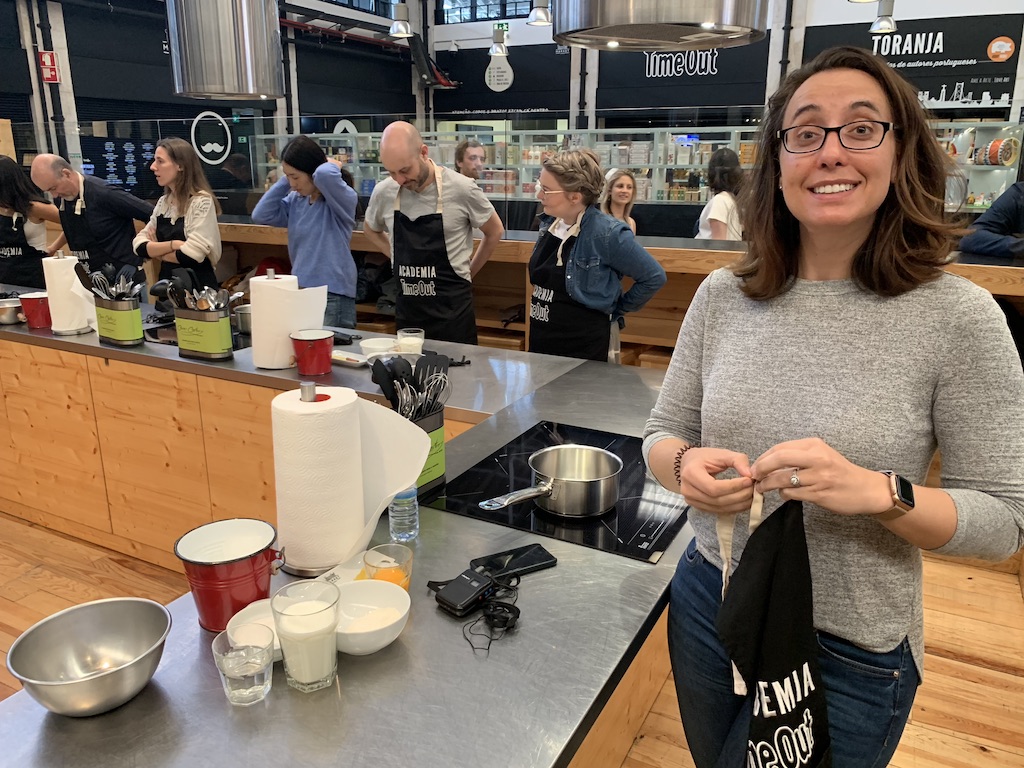
Excited face.

Ingredients for the custard are simple – water, sugar, milk, flour, cinnamon, lemon peel, and egg yolk (it’s so orange!).
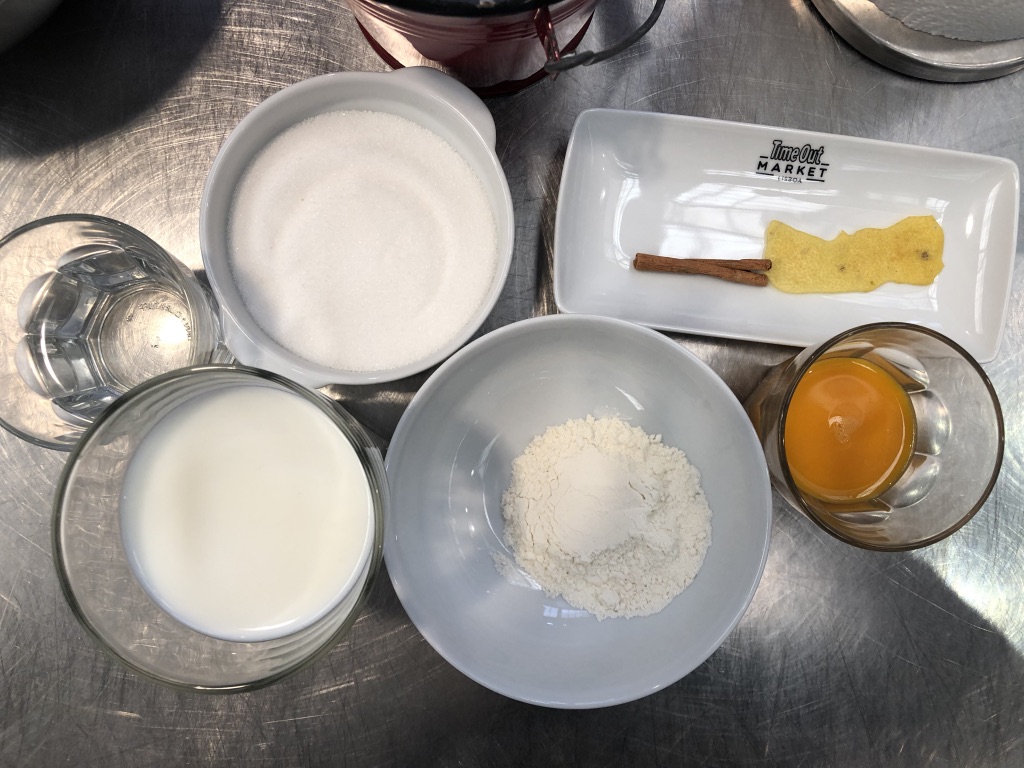
The custard is easy. The tricky part is getting the puff pastry smushed into the little tin so it has a perfect swirl.

Okay, back to the other pastries, and proof that they are nuts about yolks. In the photo below, the pastry across the top is called a Pampilho. They are delicious. Made with egg yolk dough; filling is egg yolk with cinnamon and sugar. The filling in the cornucopia on the right is just straight egg yolk and sugar. If you look at a pastry counter where the ingredients are listed for the pastries, “egg yolk + sugar” will be repeated for all pastries. Sometimes “almond” gets added to the mix.
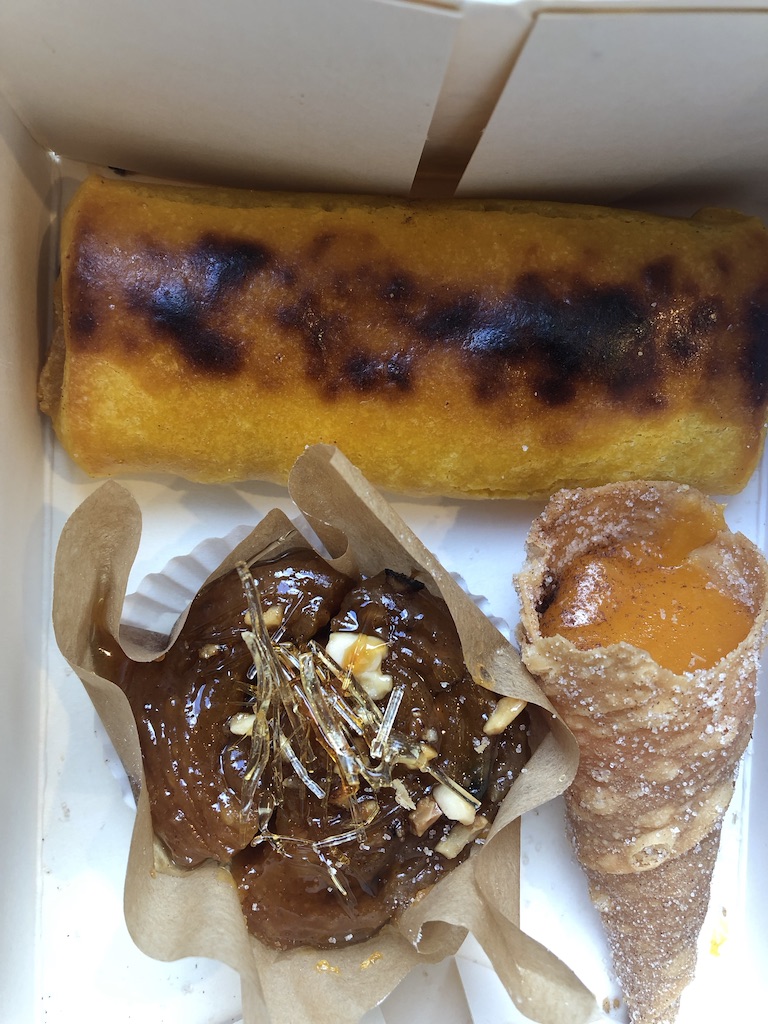
Bottom left was not good, so we won’t discuss.

Below, the orange zest looking stuff in the left picture is, you guessed it, egg yolk! They put it through a sieve into boiling simple syrup and it comes out as yolk spaghetti. Kind of fun. On the right — though I did not ask — I am 100% sure that the orange-looking cakes are covered in egg yolk. More egg spaghetti on the chocolate cake.

After straight egg yolk, another favorite combo is egg yolk + puff pastry + glaze. For example, the two pastries below have puff pastry bases, egg yolk, and glaze. Really just the shape and amount of egg yolk varies.

I could go on with the yolk theme, but I’ll stop. So for something completely different, a Pão de Dues. They are brioche buns with coconut on top. Tasty. A Padaria Portuguesa (where this Pão came from) is a nice little chain cafe. For the San Franciscans, its like a La Boulangerie.

If anyone is traveling to Lisbon, we have actually learned about things other than pastries, so if you have questions let us know!

Two Hoods of Lisbon (that we stayed in)

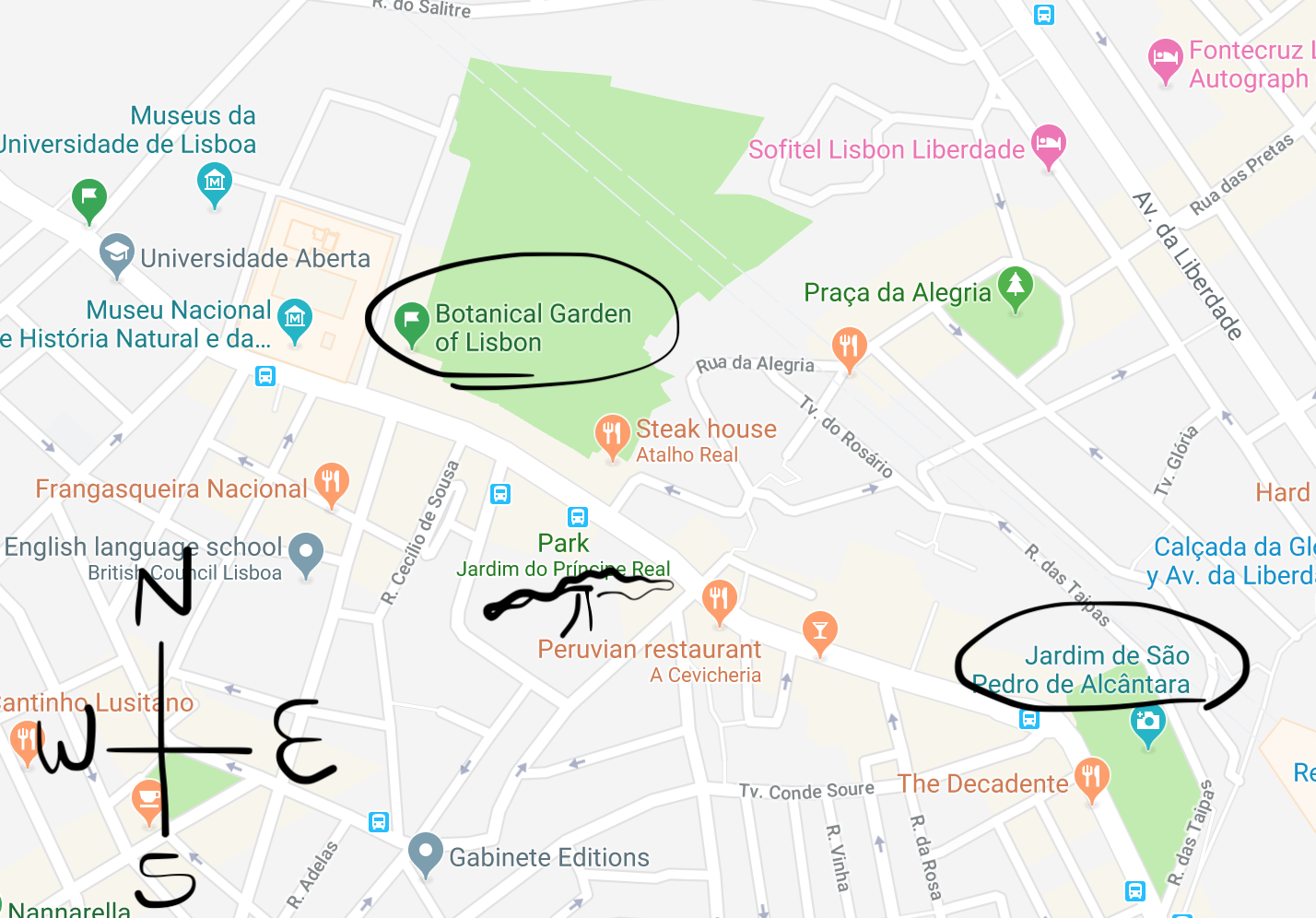
Baixa, Chiado, and Bairro-Alto are just a few fun areas to visit in Lisbon, and you can read all about them on another blog! We primarily stayed in Alfalma and Principe Real. Time for a map.

I get a lot of joy out of taking screenshots of google maps and drawing on them.

Alfalma

Our first week, we stayed in a neighborhood called Alfalma. This is the oldest part of Lisbon, and feels like a little village separate from the rest of town. If you are coming to Lisbon you should see it.

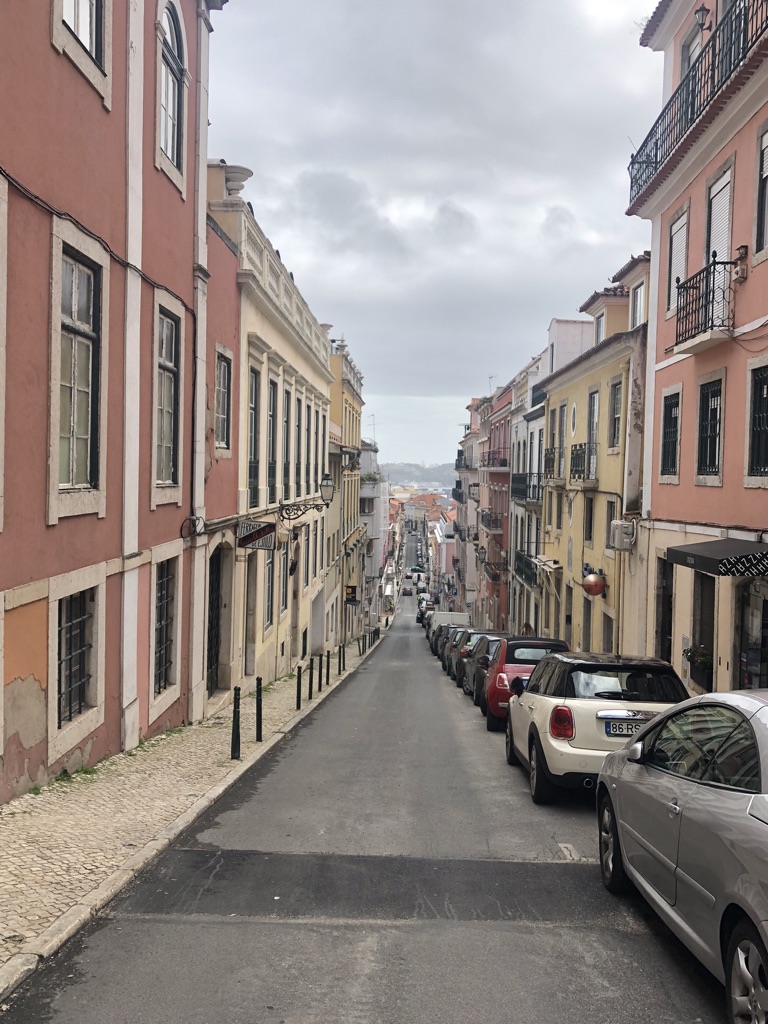
The neighborhood survived the 1755 earthquake so it looks and feels different from the rest of the city, which was destroyed and rebuilt. It is very hilly, cars can’t access all of it, and there are little restaurants and shops tucked in unexpected places. The narrow streets wind around, and are often connected by stairs (imagine a Shoots and Ladders game board). It’s a big maze, and fun to explore. We didn’t love staying here because there aren’t grocery stores or markets (just very small convenience stores), its touristy, and it feels isolated from the city center. But go and wander for a day. It’s interesting and there are great views. Here’s a little Alfalma flavor.

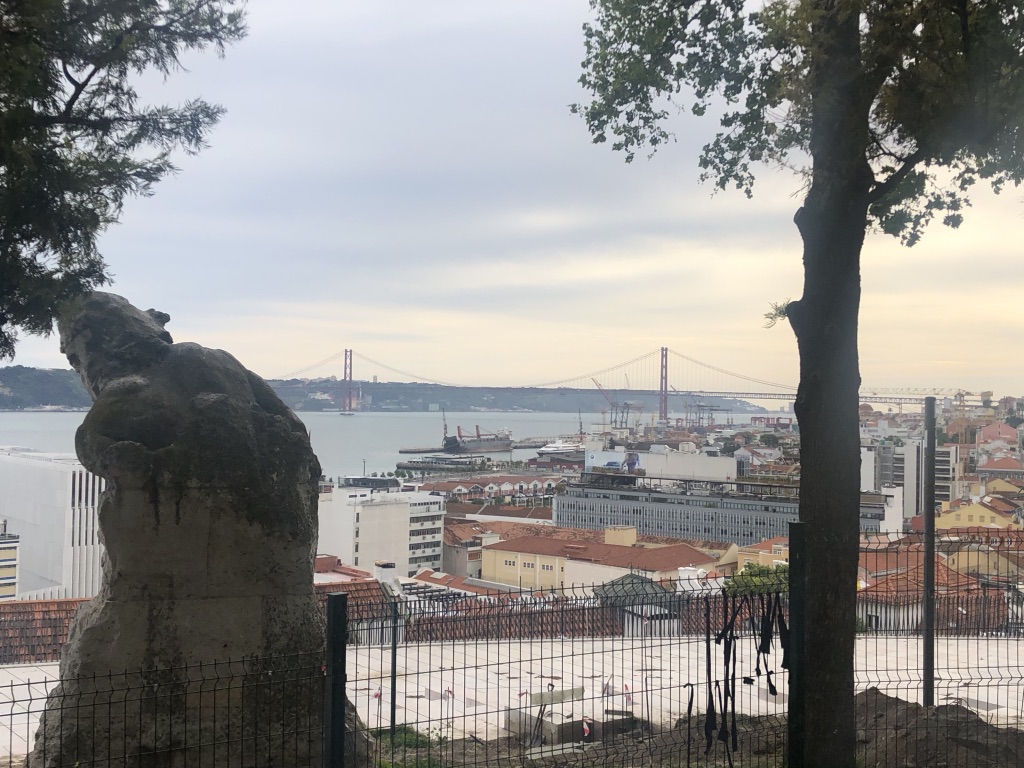
Side note: I learned something new yesterday. Those blue and white tiles I like so much have a name, and its “azulejo”. There’s more azulejo to come, but here is a very pretty lookout at the top of Alfalma, called Miradouro de Santa Luzia, with some azulejo in the background. And the lovely Alice modeling the view and azulejo from the same spot.

Principe Real

Our week plus here really isn’t long enough to fully get to know the neighborhood, but I can safely say, it is great. The neighborhood sits on top of a hill, so depending where you are, there are fabulous views of either the city center or the Tagus River.

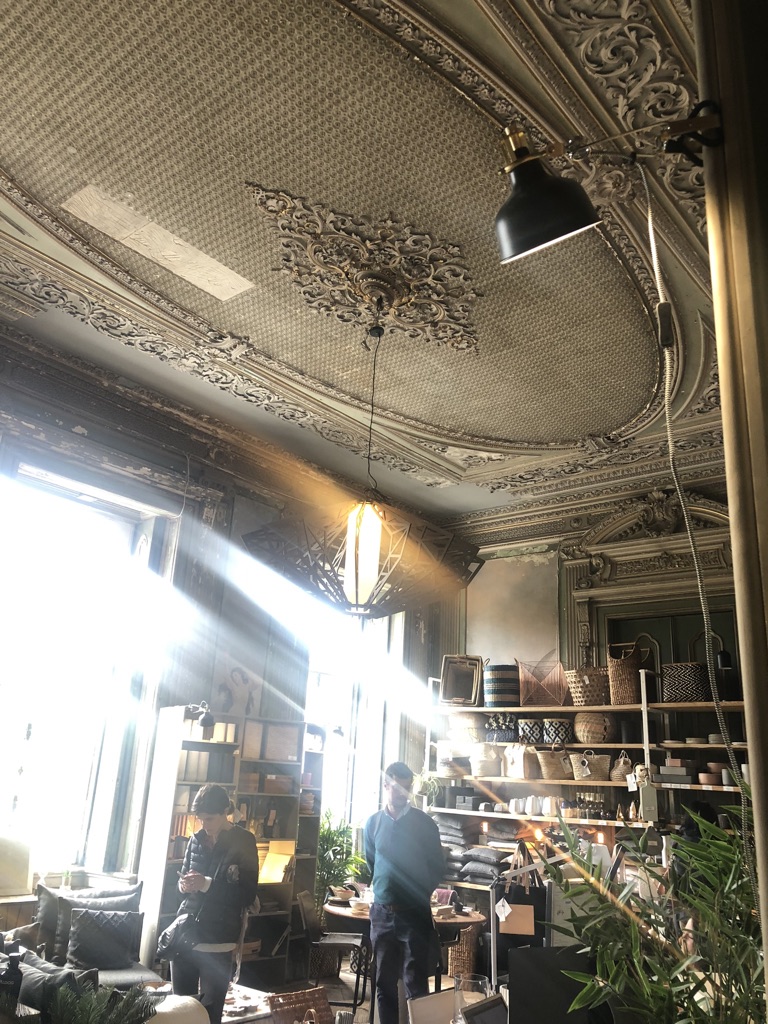
The main drag is Rua da Escola Politecnica, which is lined with restaurants, parks, and concept stores. (I don’t really get a concept store. They are supposed to be a curated selection of nice things, but are basically one-off Anthropologies. They are popular here, and, again, I don’t get it.) There is a “shopping gallery” (large concept store) called Embaixada in an old palace that is beautiful inside. The views from Escola Politecnica facing south are nice too, and you can get glimpses of their Golden Gate Bridge, Ponte 25 de Abril. Pretty good for one street. Might be time for another map.

The parks and gardens are, of course, my favorite part. Along Rua da Escola Politecnica there are three — Jardim do Principe Real, Lisbon’s botanical garden, and Jardim Sao Pedro de Alcantara, a lookout over the city center.

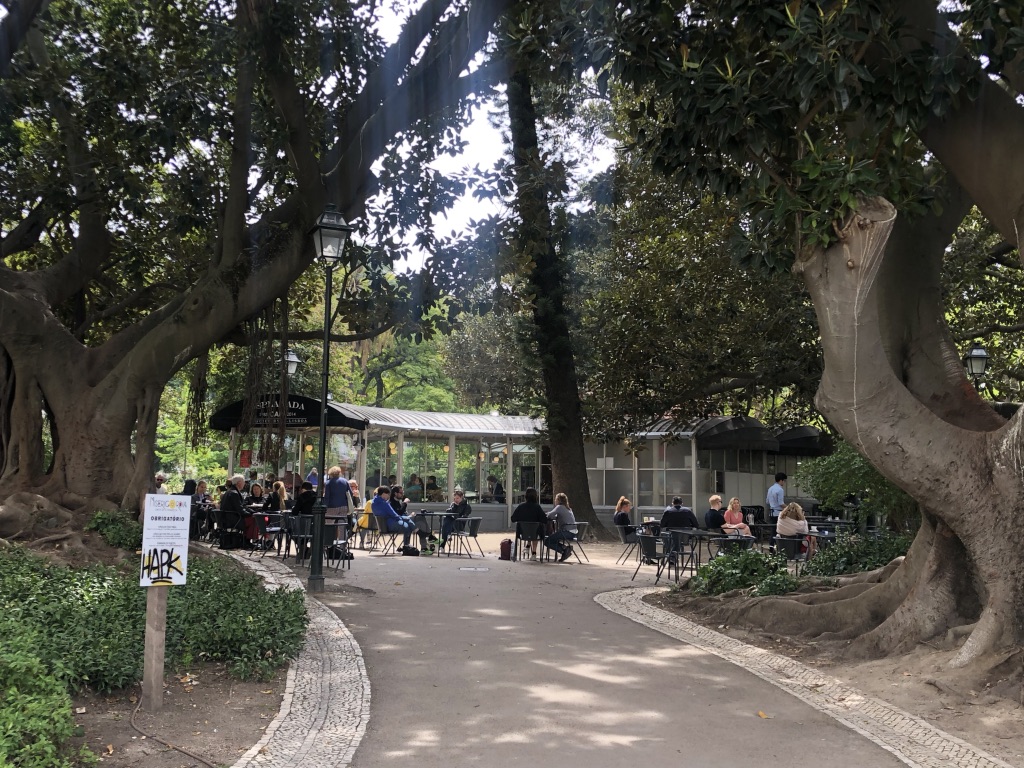
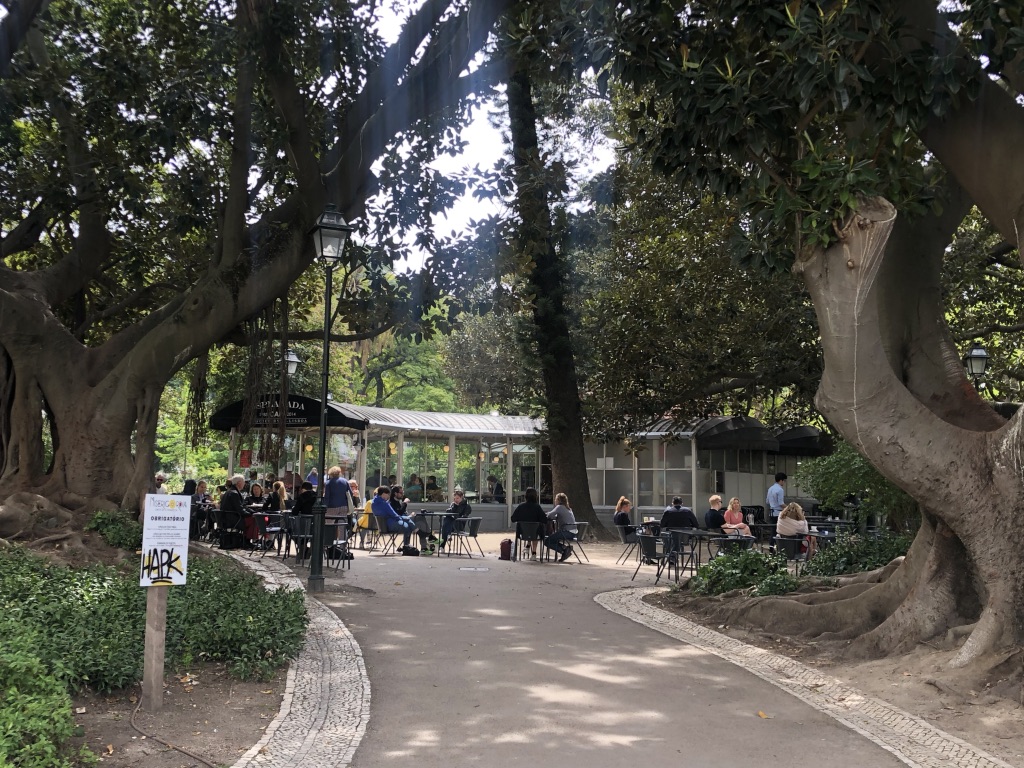
Jardim do Principe Real is the best. It has a little kiosk for coffee, and a cafe with seating inside an all-glass structure. It feels like you are inside a greenhouse.

And the park has one of the most beautiful and interesting trees I have ever seen. It’s a huge prickly juniper (Juniperus oxycedrus). The juniper drapes its weight over a large metal frame, which has trained the juniper’s branches off the ground. You can walk underneath and around it, or sit on the benches the tree shades. I couldn’t find a lot of information about the juniper, but one estimate is that it was planted around 1740! The whole park is actually full of interesting trees, but this one is special. Dan and Alice had a lot of fun watching me admire the tree for 15 minutes.
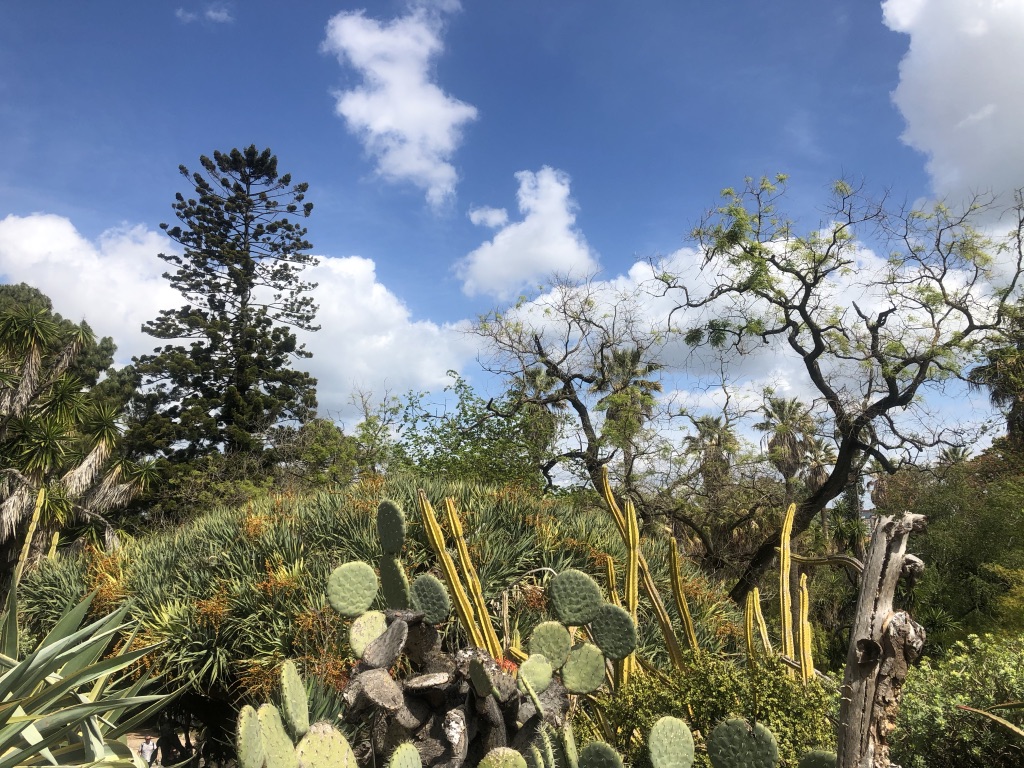
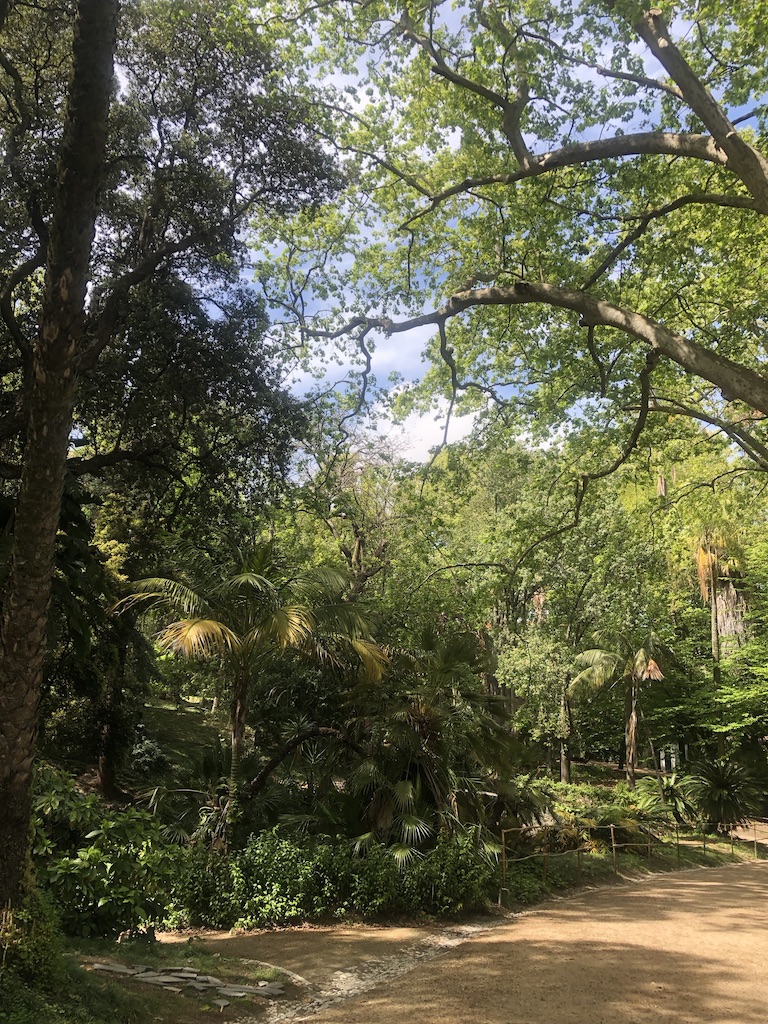
Below are some photos from the botanical garden. Three euros to get in. A really pretty and interesting garden, but you don’t need to do it if you do not have a plant obsession.

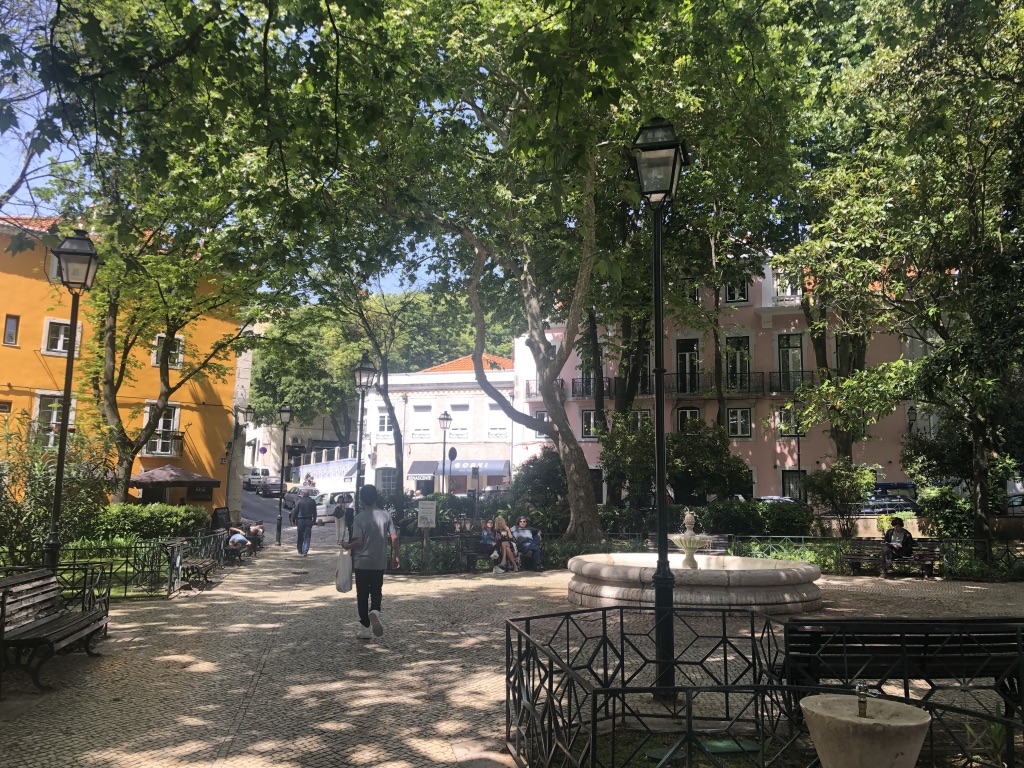
As I’m looking through all our photos from around the neighborhood, it occurs to me that I may like Principe Real so much because there are so many parks and green spaces in or around the neighborhood (though still a shortage of grocery stores). Here are a few more:

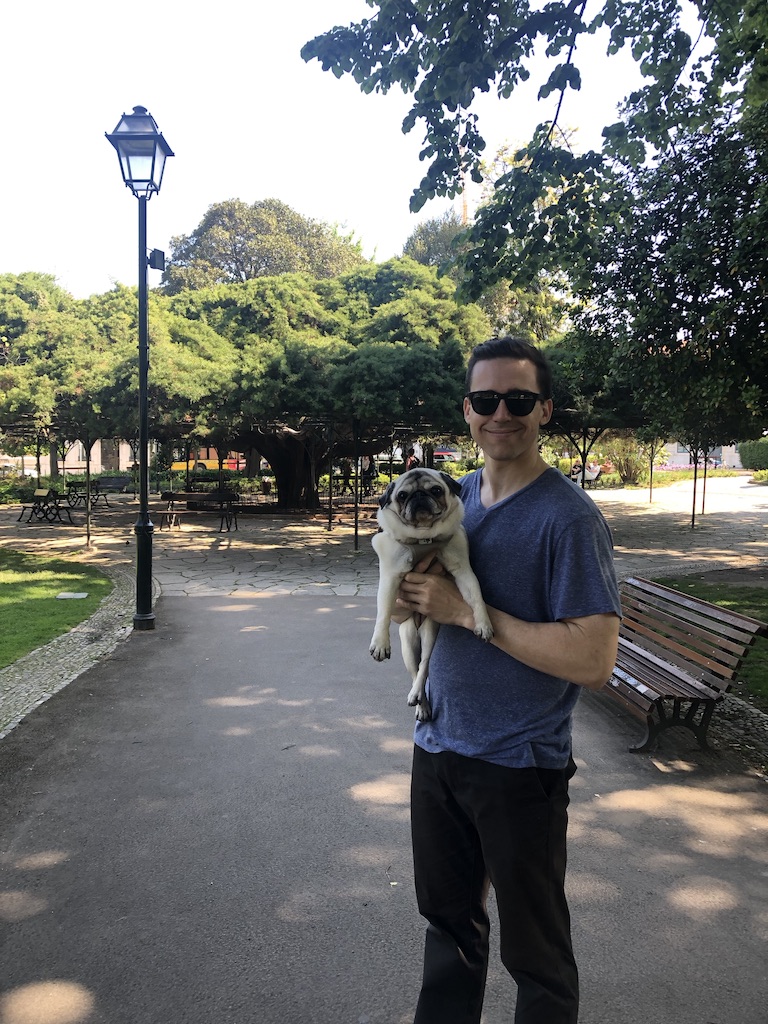
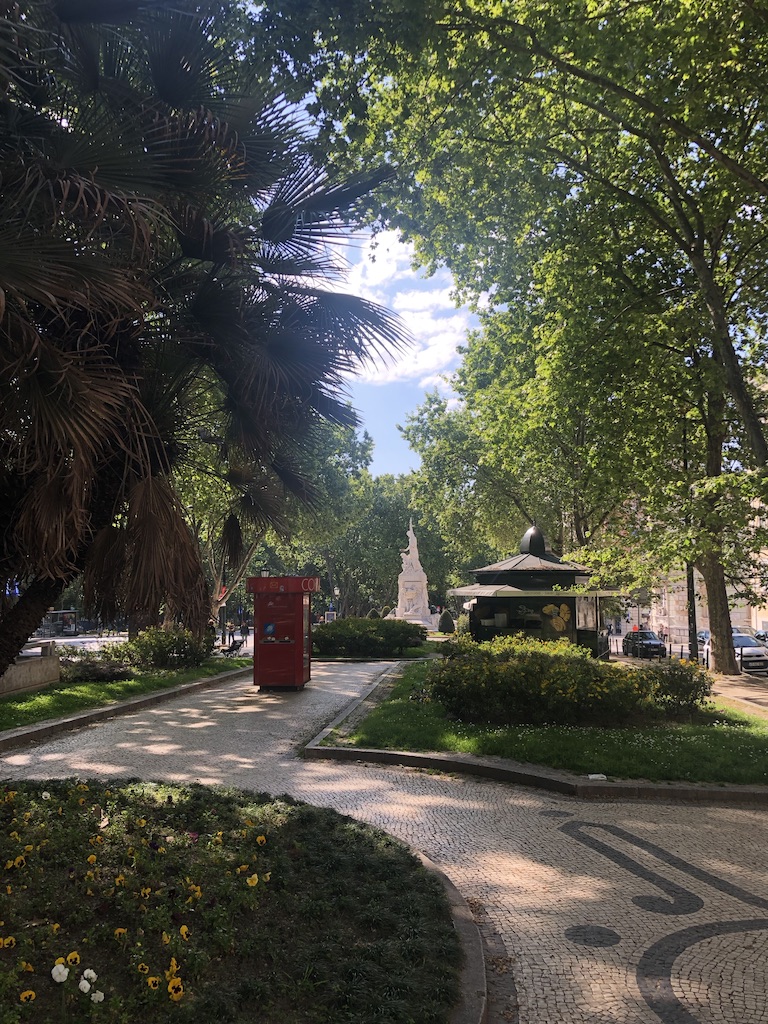
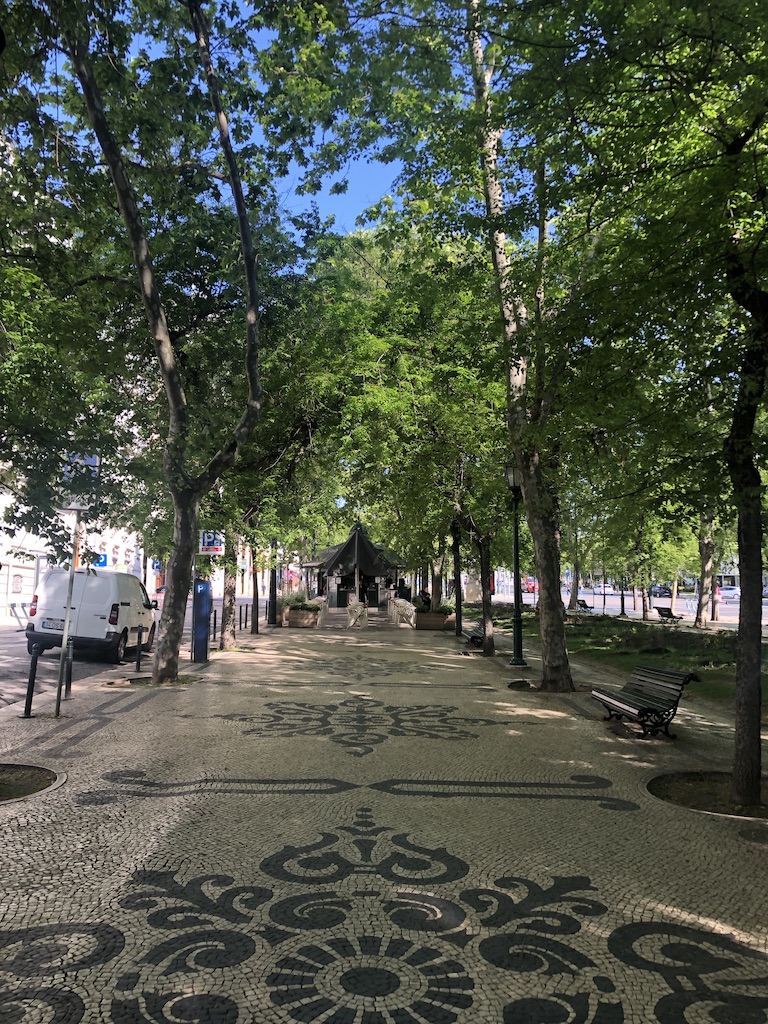
Dan and Alice like Principe Real too. Alice likes to stroll through the tree-covered Avenue da Liberdade, with its dappled light and wide pedestrian walkways where she free roams (above). Dan likes being close to this cool co-working space:

Highlight = faux topiary kitty

Pug Corner – a Pug in Portugal

Back by popular demand (by my mom), here are Alice’s thoughts on Lisbon:

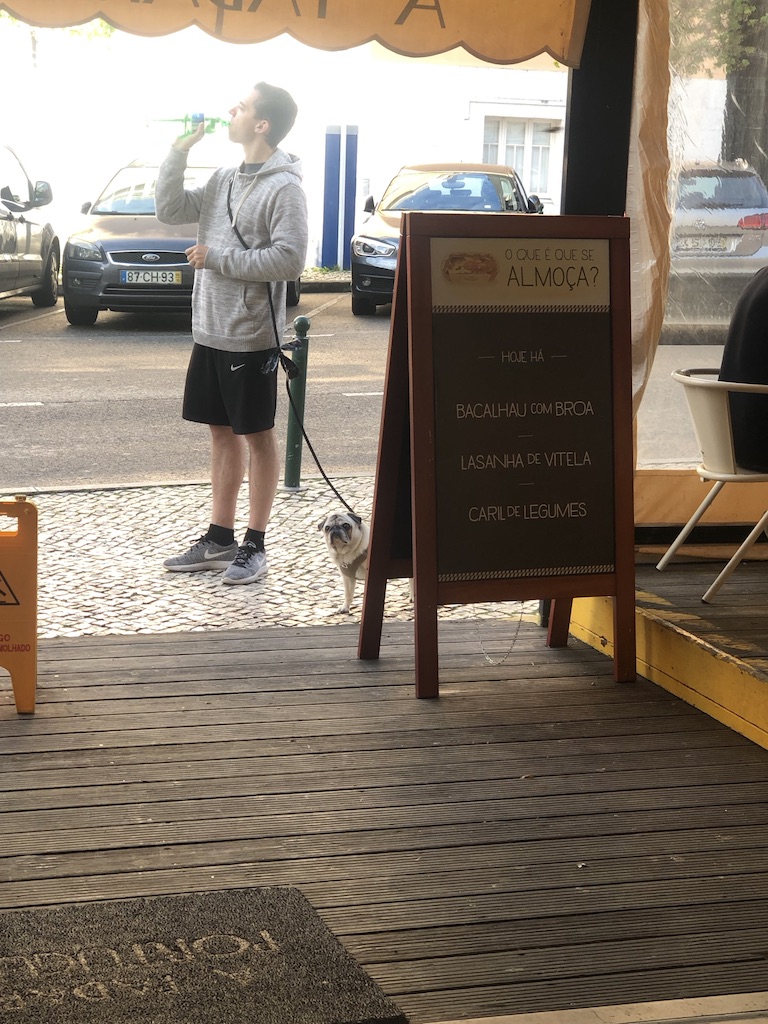
Demand return to France. No one lets me dine with humans here, as is my right!

When people see me they say, “linda, linda, linda.” Portuguese are smart.

Met some chow chows on the streets.

Got a new leash. It’s okay. Prefer a free roam.

– Alice
Hands free leash demo + not being able to eat at le cafe.
Live action shot of Alice dictating Pug Corner.

Dan taught us to embed instagram in the blog yesterday, so watch out blogging world!


Next I’m going to learn to add accents to letters!

Update from less than 60 seconds latter – I figured out accénts.

Lisboa (Lisbon)

About four days before leaving Chamonix, we decided to head to Lisbon. Lisbon has been on our list of places to visit from the very beginning of our planning — primarily due to me watching Somebody Feed Phil on Netflix — we just hadn’t decided when to go. So, with three weeks between Chamonix and Florence, we figured it was a good time to head to Portugal. Midway through our first week, we sat with a nice local gentleman at lunch who helped us order and told us three weeks in Lisbon is too long . . . . But Lisbon is bright and sunny, they eat tasty egg tarts and drink nice wine, so we stayed.

We did get off to a little bit of a rough start due to some unfortunate housing snafus, but we turned it around. We stayed in Alfalma the first week, then in an area called Olaias (this was snafu part of trip) for about 5 days, and finally we are in Principe Real for the last week and a half. Principe Real is the winner. I’ll write about Alfalma and Principe Real in another post. Here, I just want to show you what Lisbon looks like!

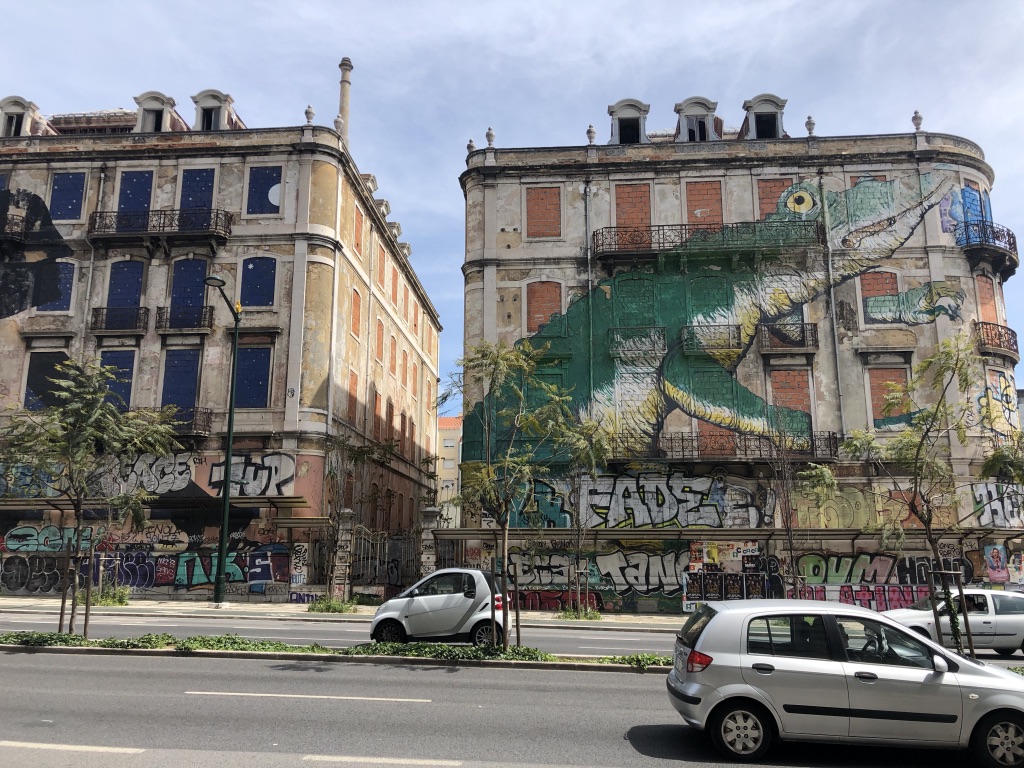
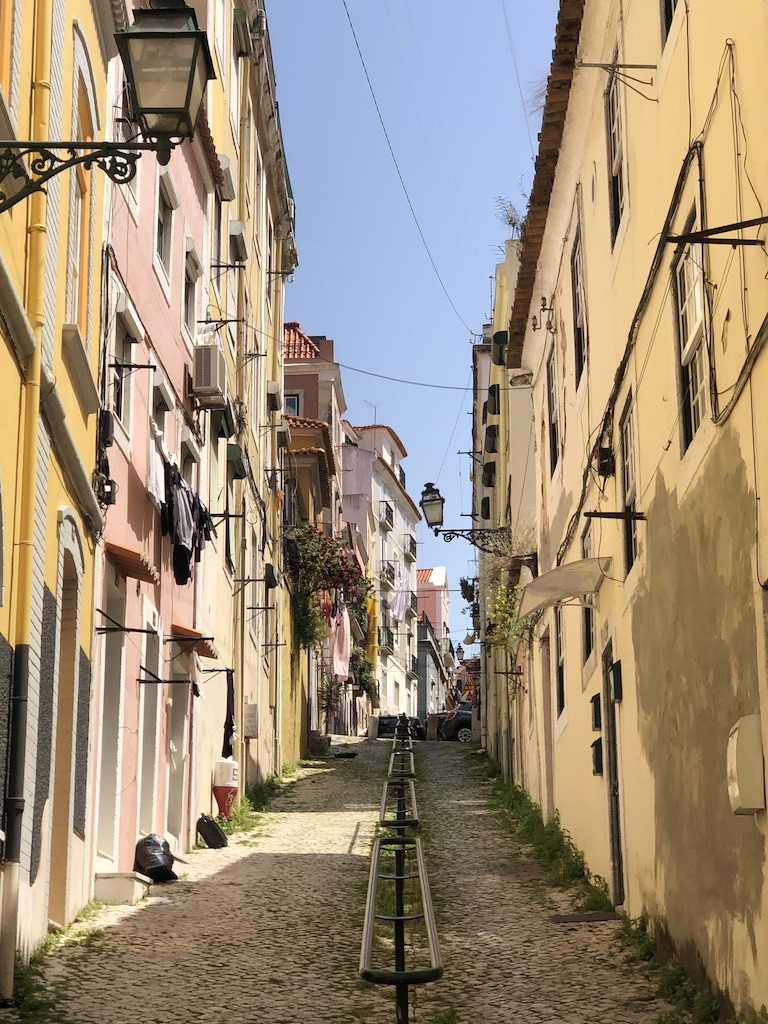
It looks like this . . .

And this . . .

Lisbon is reminiscent of San Francisco in a lot of ways – colorful buildings, a Golden Gate Bridge replica, it survived a massive earthquake (in 1755), cable cars/trams, and it has seven hills (weird how many cities have exactly seven hills . . . ).

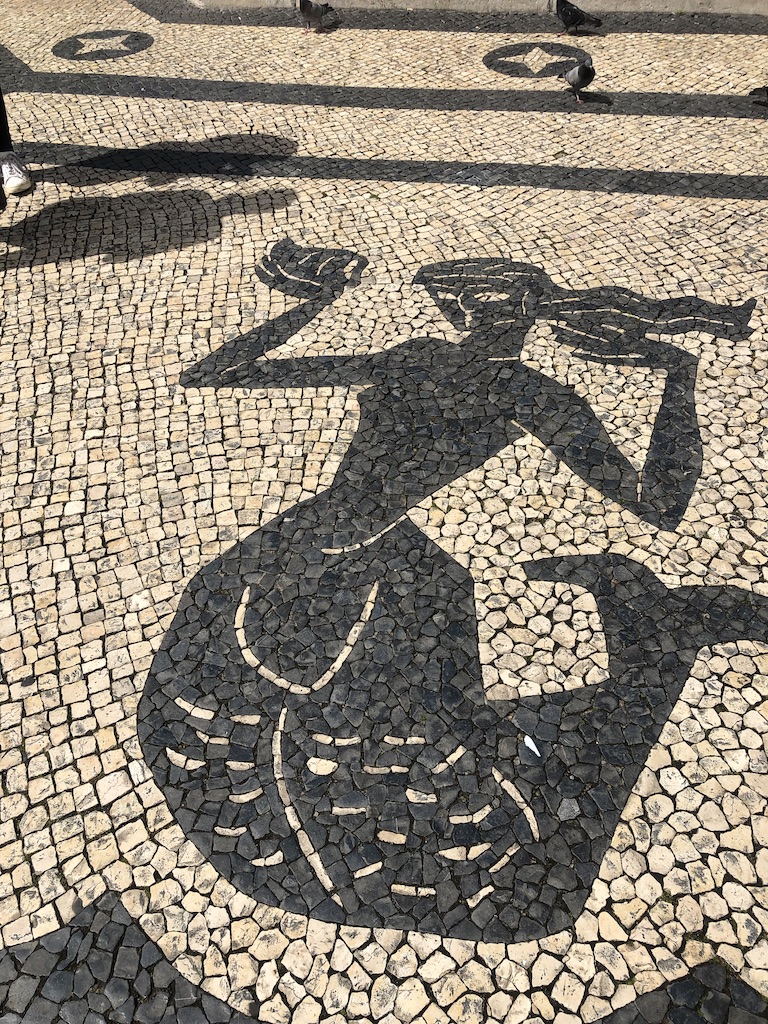
The streets and sidewalks are covered in large mosaic tiles that are beautiful and treacherous. Slippery when wet; for our Duke readers, it’s like hydroplaning on West Campus walkways, but always downhill.

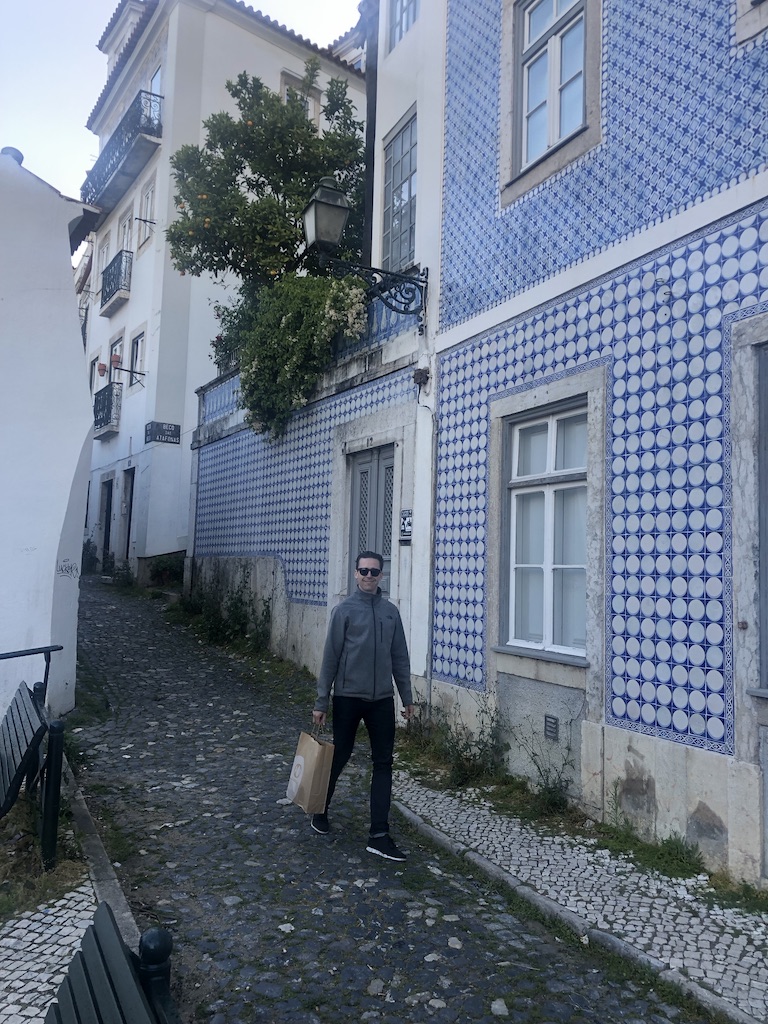
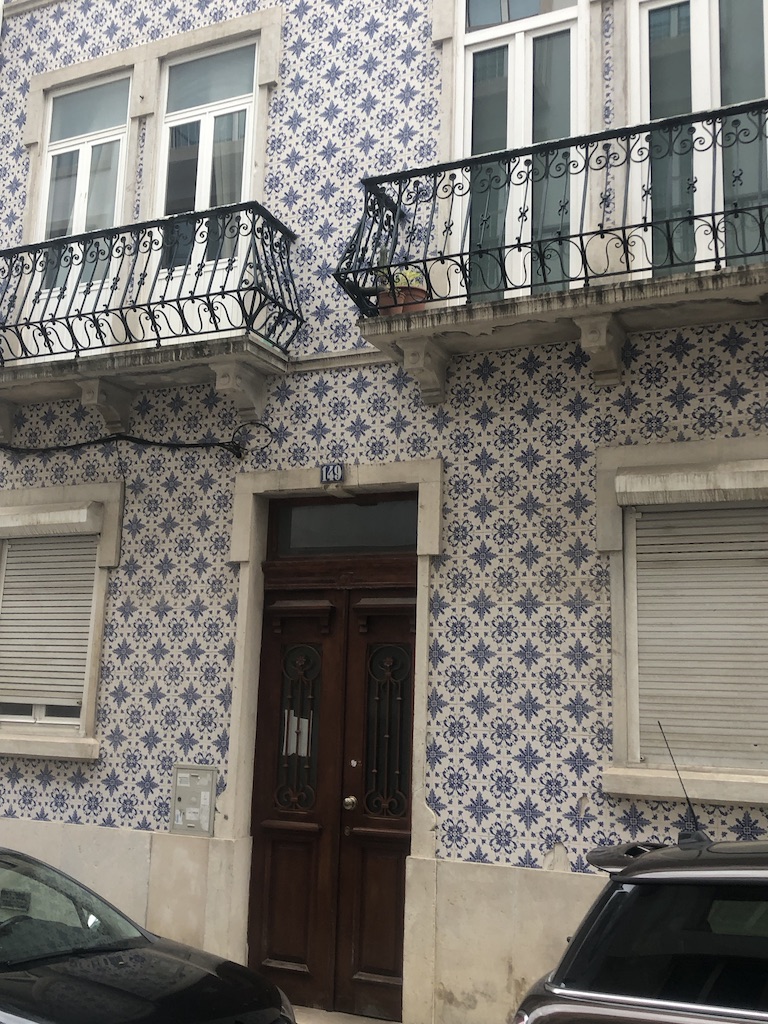
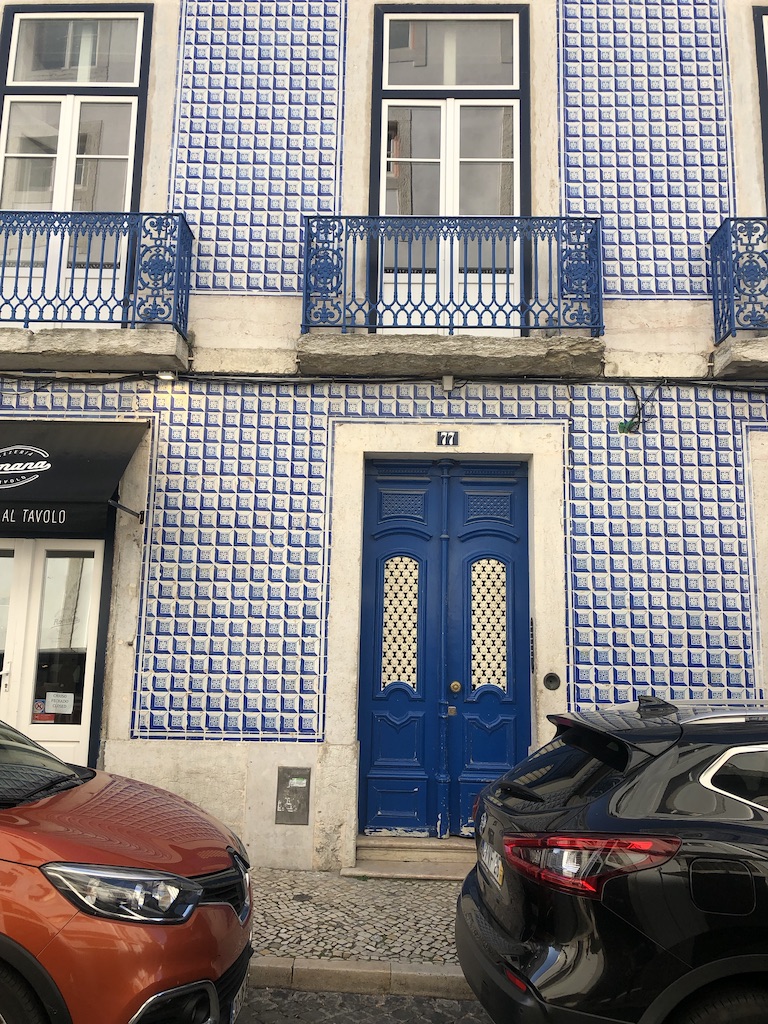
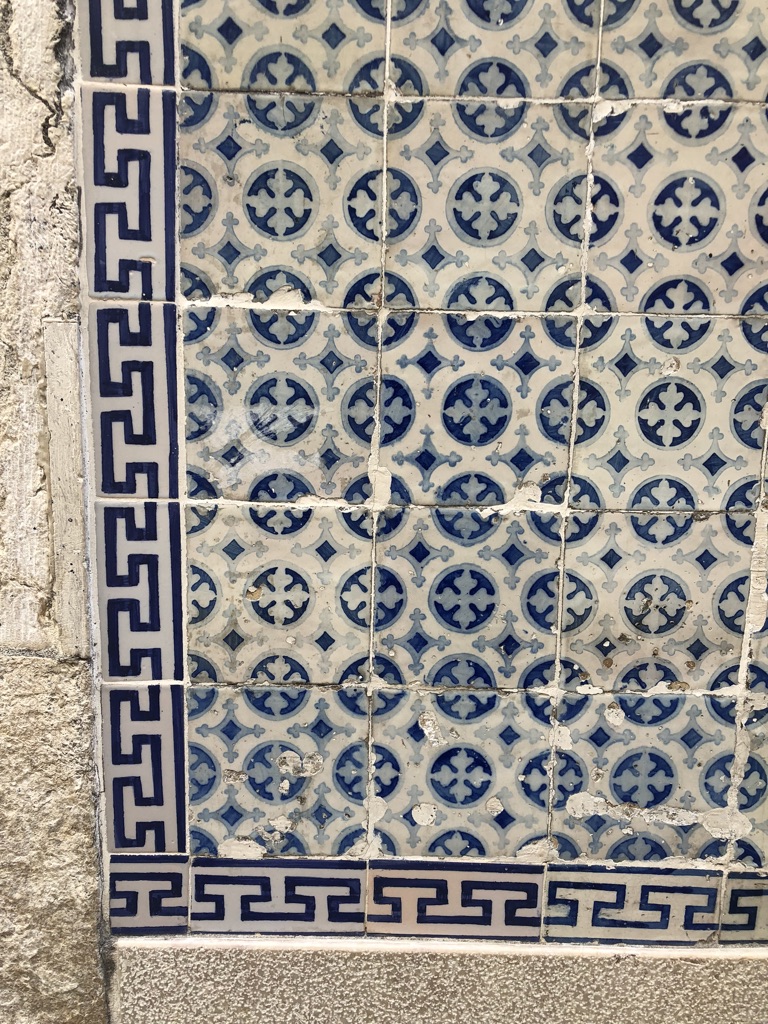
They decorate with tile! Blue and white seems to be the favorite tile color combo, which fits right in with my world view that blue and white are the prettiest.

I love how pubic spaces are used. There are little stands in all the parks, squares, and along the boulevards where you can sit, eat, and drink espresso. Lisbon’s version of le cafe. We should have more of this at home, it’s nice.

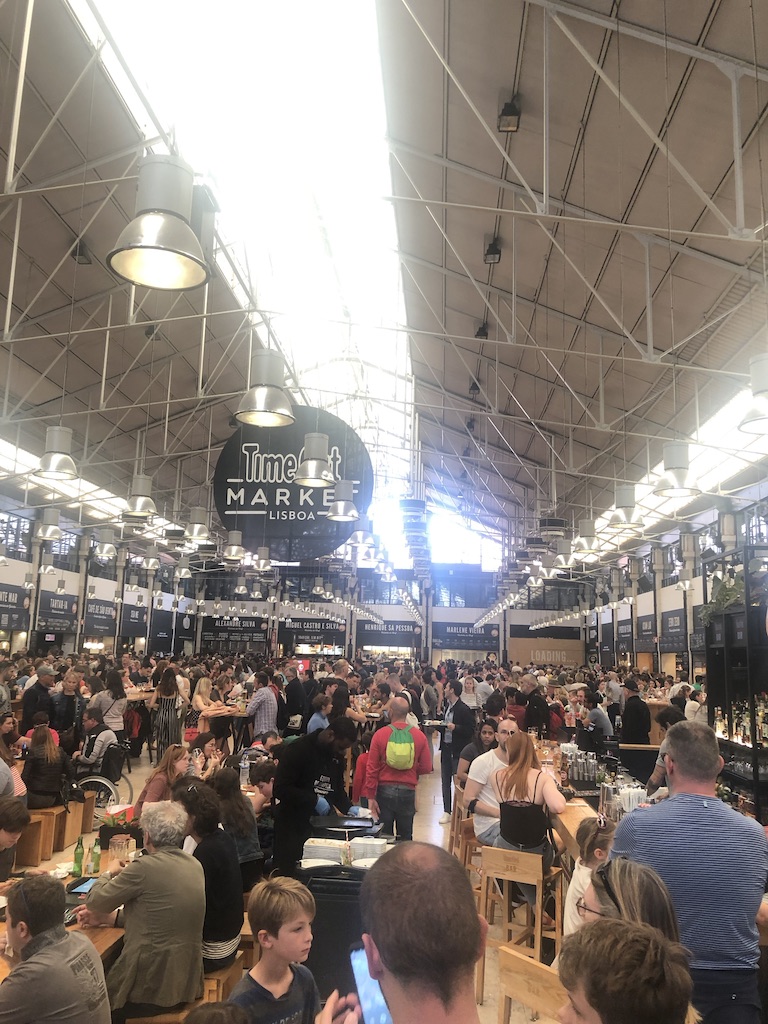
A go-to spot for us became Timeout Market – a collection of all the best food in Lisbon, and a produce and meat/seafood market. We went many times. We also had fun walking around the LX Factory – a factory that has been redeveloped with lots of restaurants, shops, and work space.

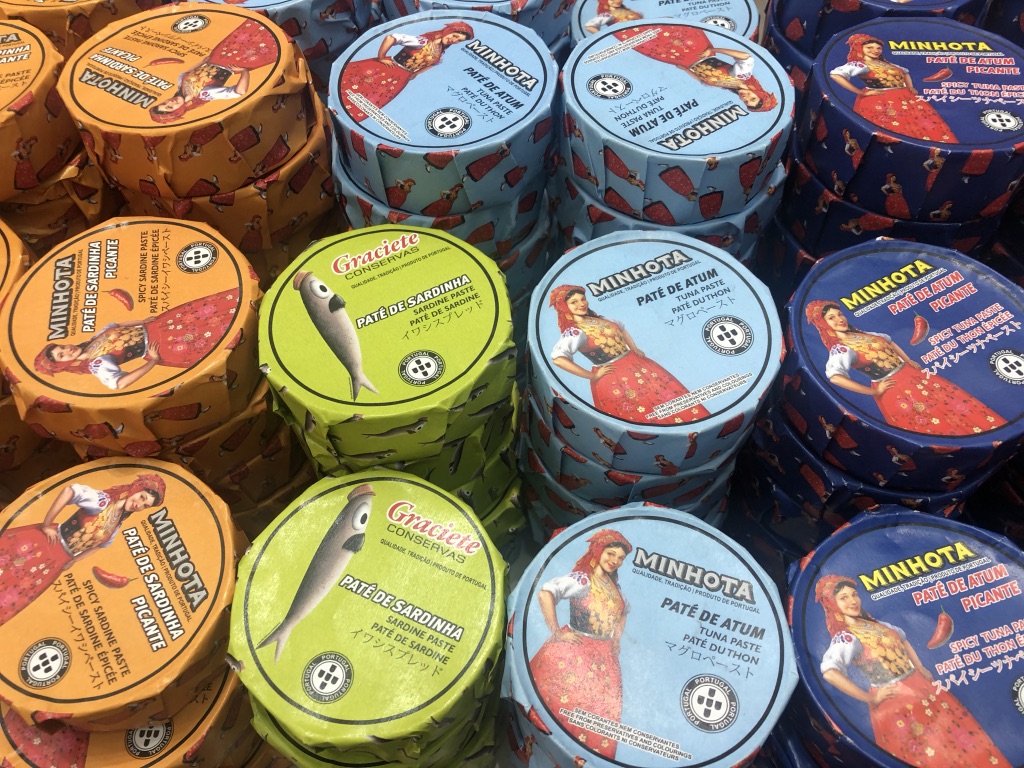
The Portuguese like salted cod, ginja (cherry-like liqueur), egg yolks, and canned seafood. Canned seafood comes in colorful, fun tins which definitely enhances the flavor and makes me want to buy all the kinds.

Street art.

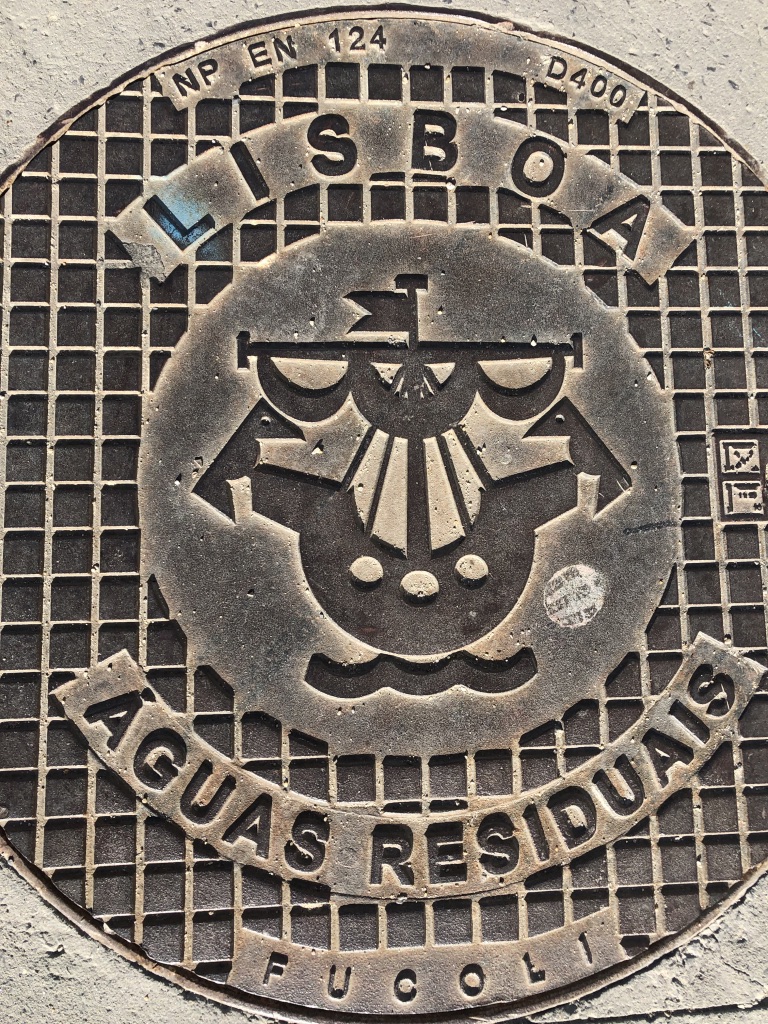
Lisbon’s coat of arms as depicted on a sewer grate. The ship and birds represent St. Vincent’s body being brought to Lisbon by ship and the ravens that guarded the body along the way. There’s more to the St. Vincent story with the ravens, but that’s the short version (and the version I understand). The coat of arms is everywhere, and it’s fun to spot.

I’ve got a few more posts on Lisbon, but to close this one out, it’s worth mentioning that the Portuguese people we’ve interacted with have been extremely welcoming (including some new friends and Duke alumni who were nice enough to make us a delicious dinner and give us all the tips). Glad we stayed the three weeks instead of bailing when the housing situation wasn’t going our way.

Chamonix Week

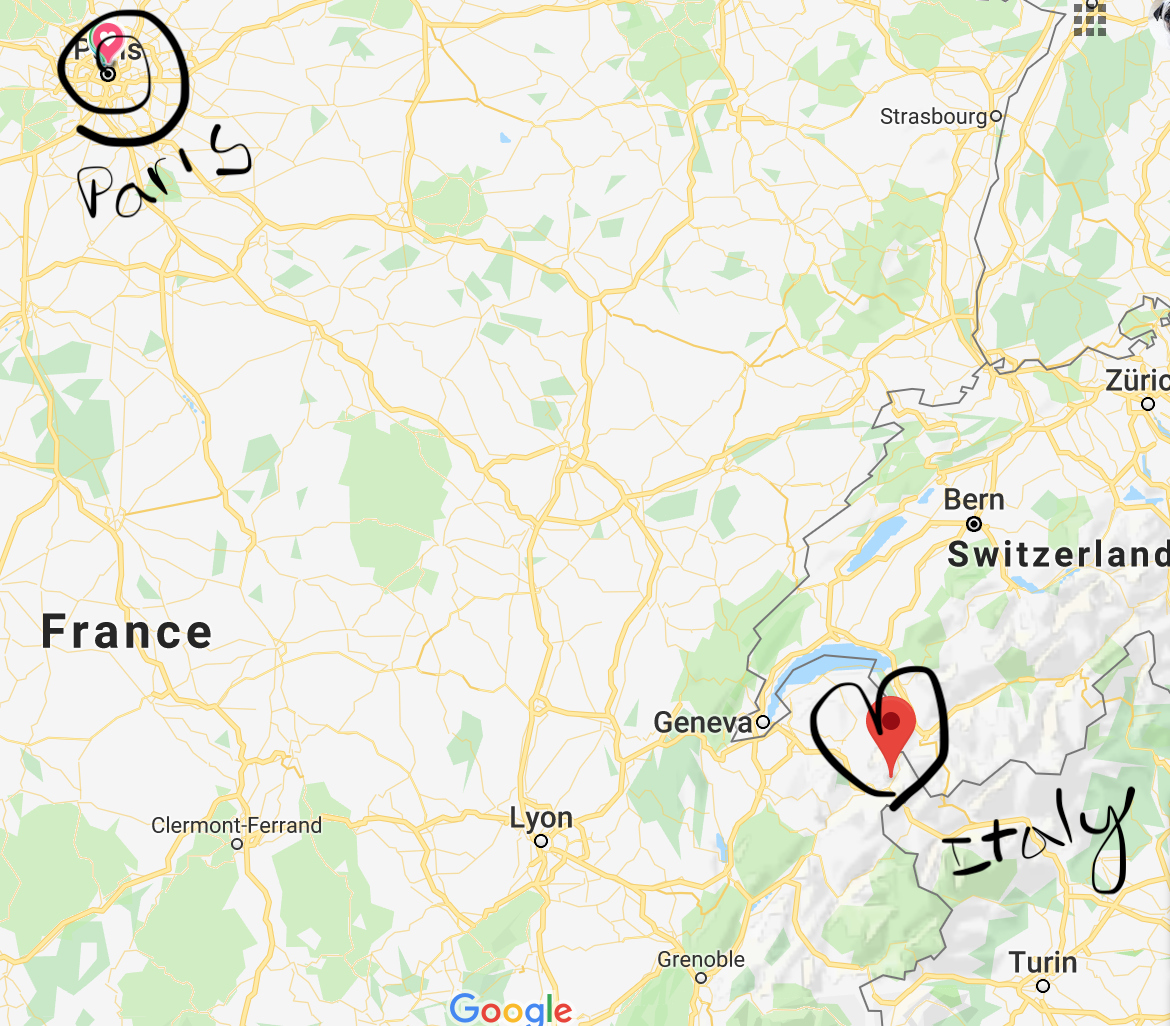
We have been in Lisbon for about a week and a half now. But between Paris and Lisbon we had the best week skiing with old friends and new in Chamonix. For context, Chamonix is here:

Nestled in a little corner of France between Switzerland and Italy.

Our friend Dr. CJ (CJ, this is a test of whether you read the blog) went to Chamonix a few years ago to run some crazy trail race in the Alps, and has never stopped telling us about how wonderful it is. Our friend Helen has also been and said we could easily spend a month there. So we went to Chamonix with CJ and friends, and I’d like to go back now to finish out that month.

View from the top of Aiguille du Midi.

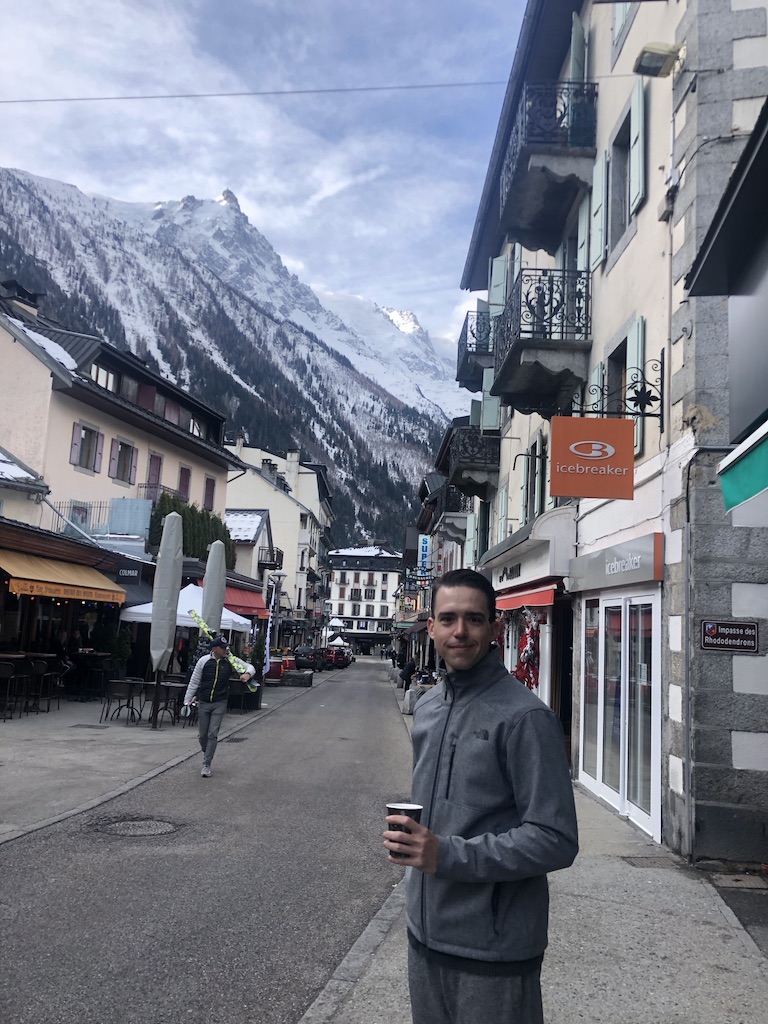
I think it’s fair to refer to the entire Valley as “Chamonix”, but there is a main town of Chamonix, and a bunch of ski resorts up and down the valley. Mont Blanc and Aiguille du Midi stare back at you every time you look up, and you are surrounded by mountains.

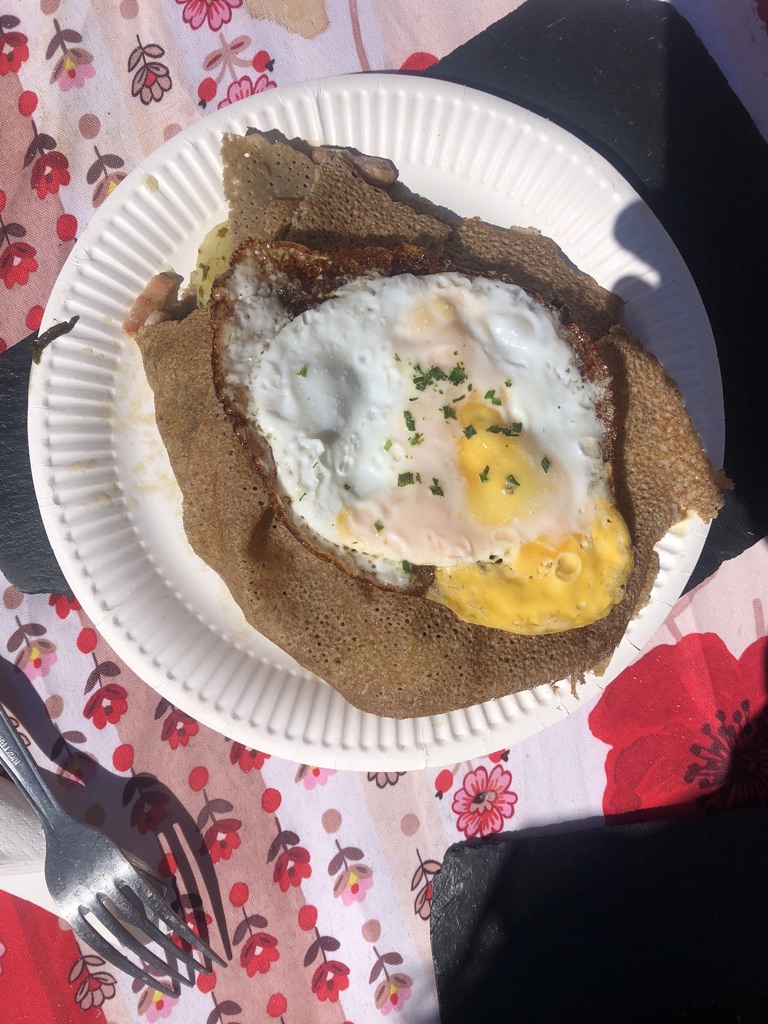
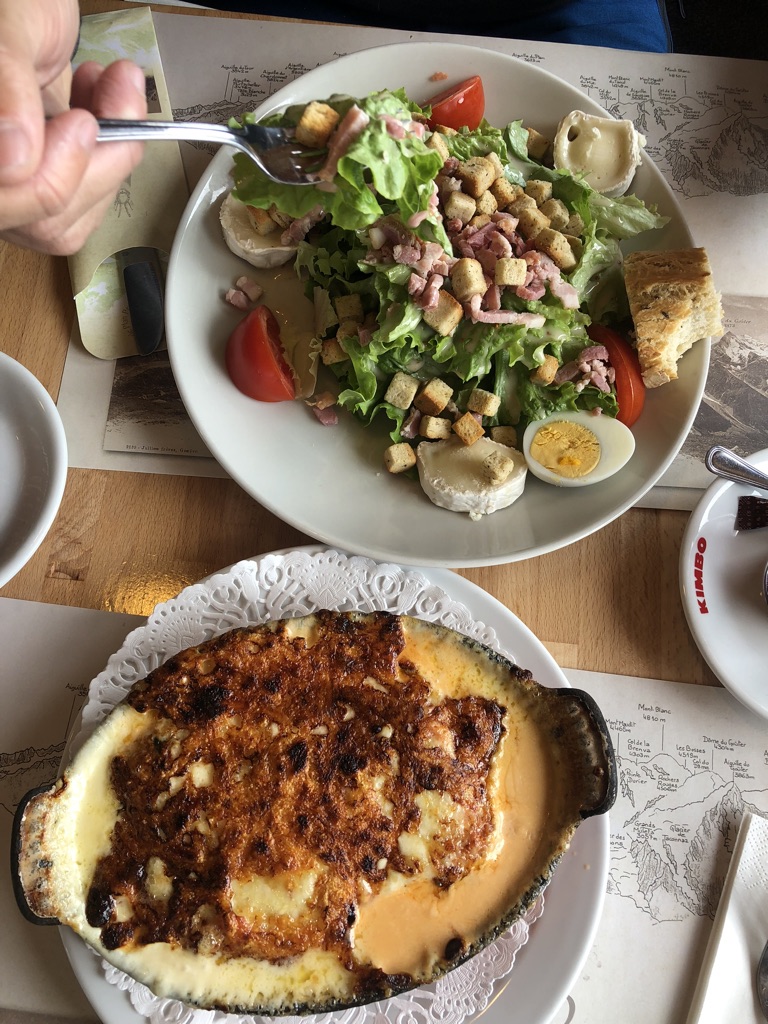
If you are into a diet of cheese, then the Savoie region of France is the place for you! Melted cheese dishes of many varieties are their specialty. My favorite cheesy treats included: Raclette – actually a Swiss dish, but who cares. It’s a wedge of cheese propped up next to a little fire, which melts the cheese, then when it is sufficiently melty and delicious you slice off the melty part and eat it. Repeat. Tartiflette – potatoes and bacon covered in cheese. Croute – bread soaked in wine covered in cheese.

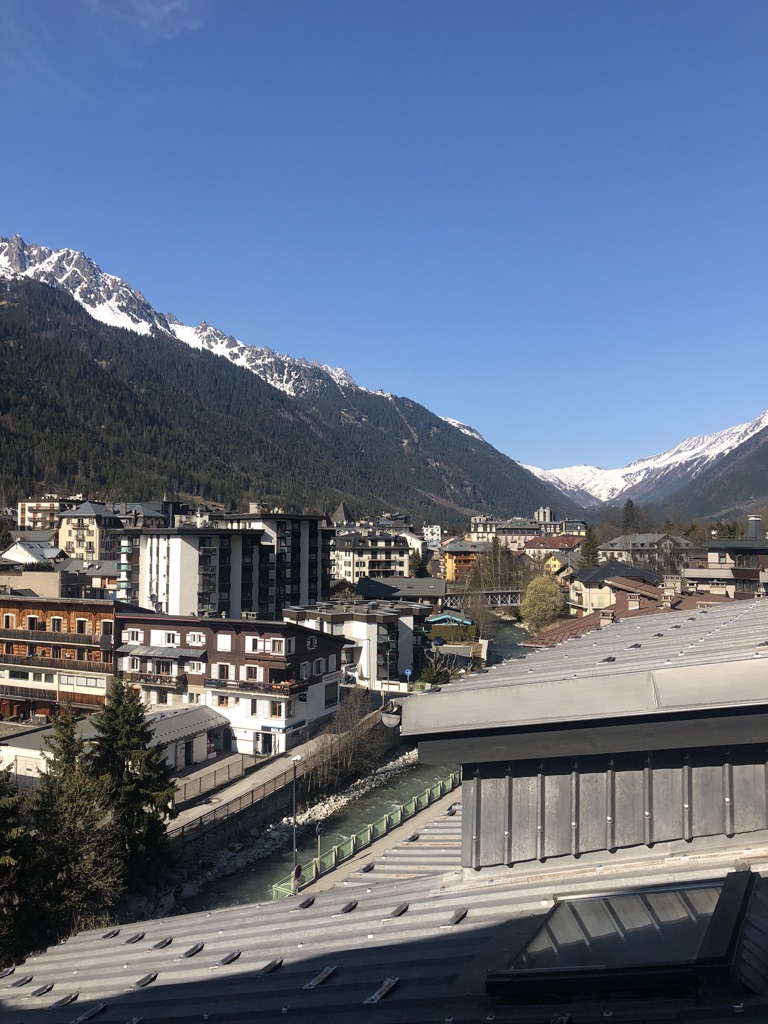
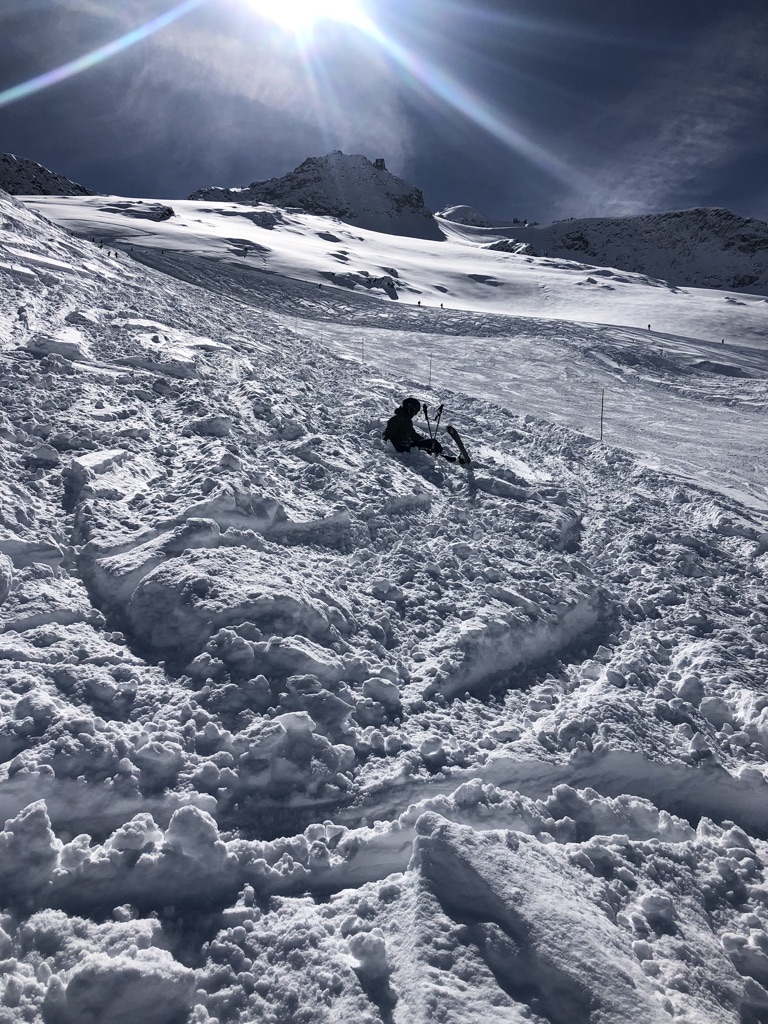
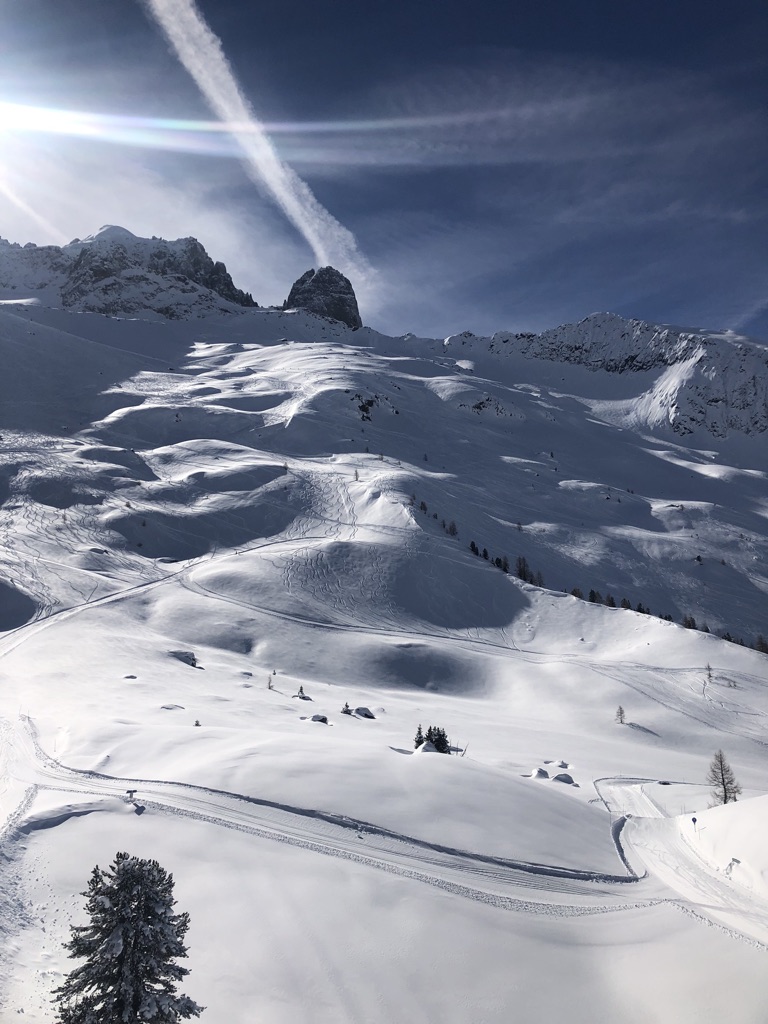
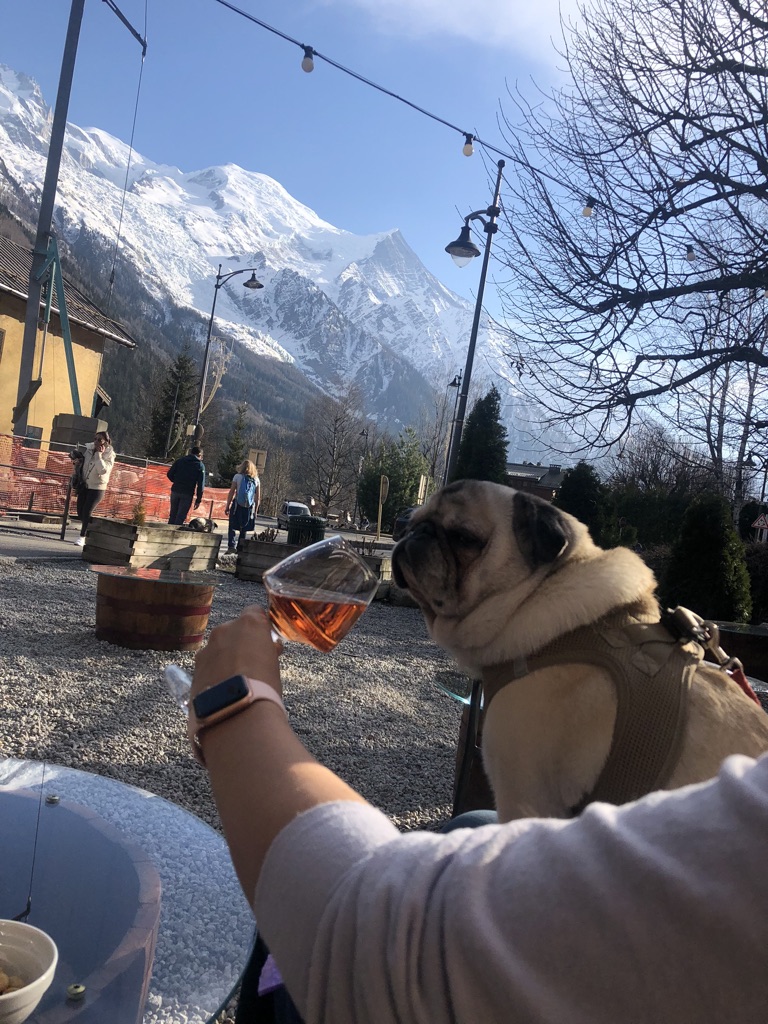
We got really lucky with the weather. It snowed halfway through our trip, so we had spring skiing for a few days, then fresh powder. Before and after views from our apartment.

I’m betting all skiing in the Alps is awesome, but we really loved Chamonix. It was easy to get to the mountains on the ski shuttle, there are a ton a resorts, the food on the mountains is delicious and different on every mountain, ski lessons are cheap, the views are breathtaking, everyone is in a great mood, and backcountry skiing and mountaineering are really popular. I have no plans to participate in those activities, but am super impressed by those who do and like breathing the same air. And there are glaciers (which is also kind of depressing because they are melting pretty dramatically, and you can see the melt in action).

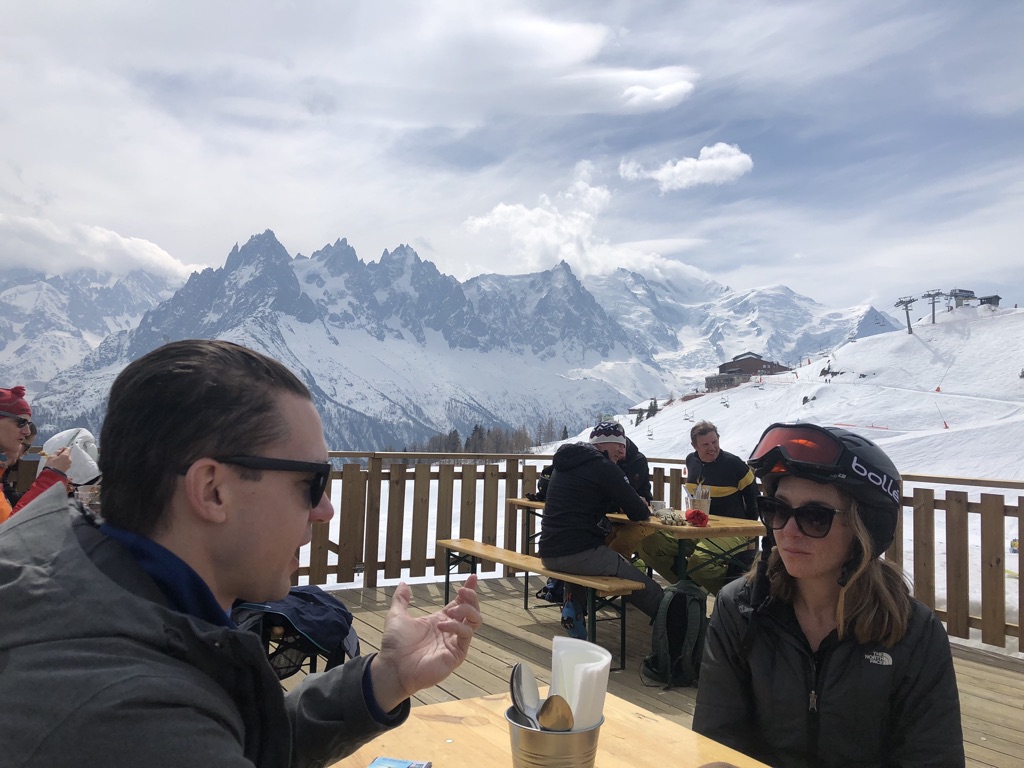
Ski lunches include views and cheese.

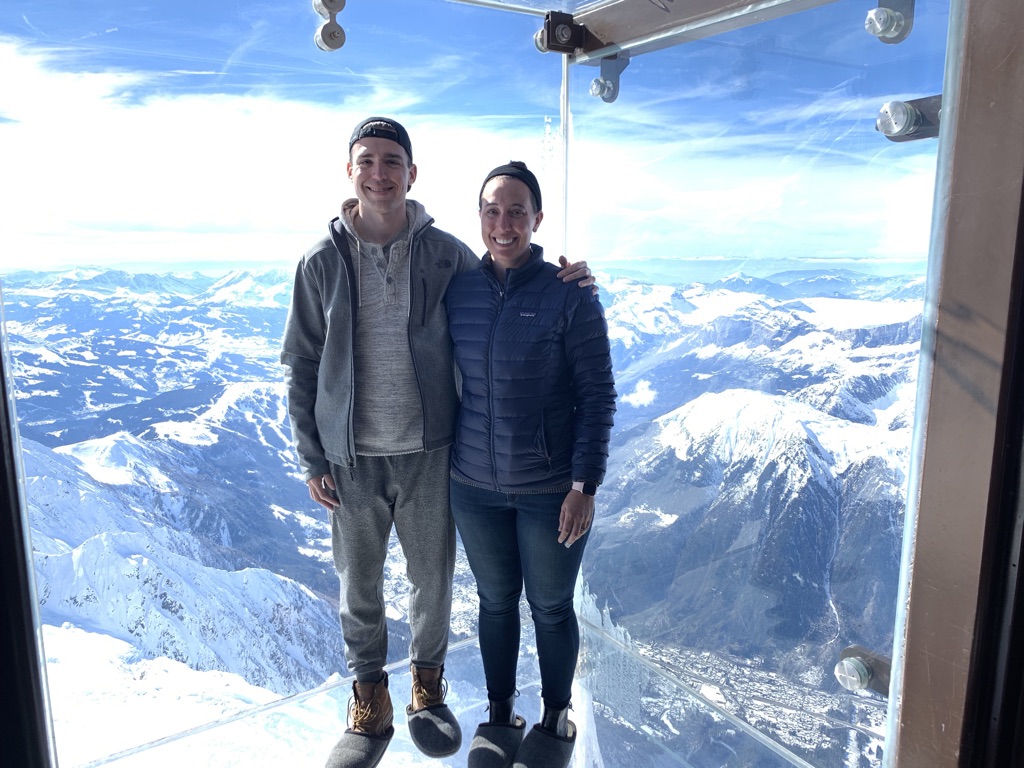
The below photos are from our terrifying trip up Aiguille du Midi. Terrifying because you take two gondolas up to about 12,600 feet. The second gondola is not supported by anything but the cable, holds like 60 people plus a heavy gondola, and travels vertically at the end, then it stops for what I’m sure was an eternity, the wind blows you around and you bounce off the side of the mountain a little. Then you look straight down, and wonder if anyone has died doing this today. On the left, we are standing above the “void”, and I’m not happy about it. On the right, CJ showing us her off-piste ski route down to the valley floor. Which is nuts, btw. Once I get comfortable with 3-ft jumps, I’ll try it.

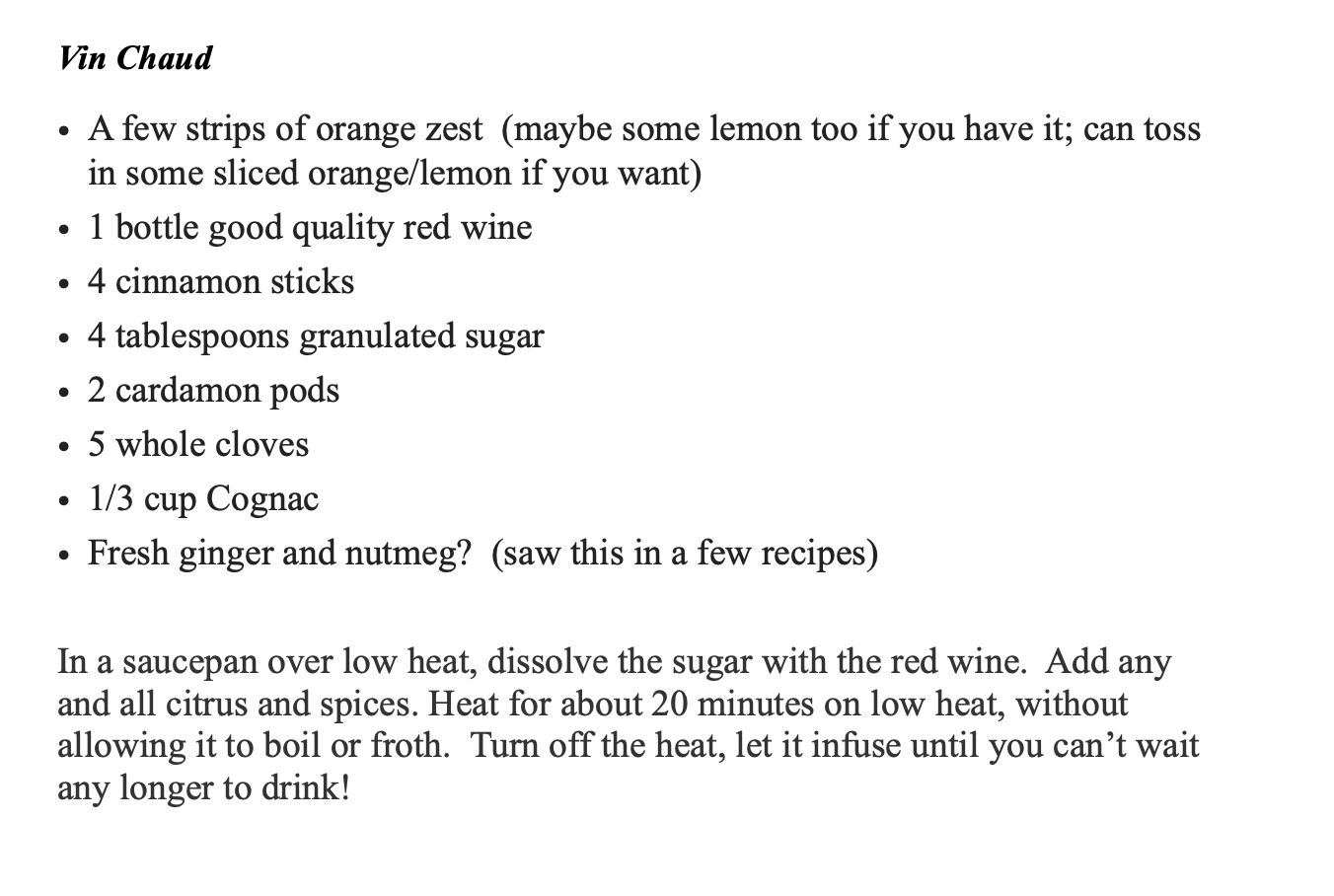
One of the things I’m taking home is Vin Chaud (mulled wine). We ordered it at every lunch on the mountain, and it was a little different each time. I’ve been researching recipes, and will experiment all next winter to perfect it, but here is the general idea:

Dan enjoying a fine americano.

Feel really grateful we had this week in Chamonix. We’ll remember it for a long time, and am betting we’ll be back.

If you are thinking of a Chamonix trip, read this fabulous NYT article, 36 Hours in Chamonix.

1st and 3rd Arrondissements

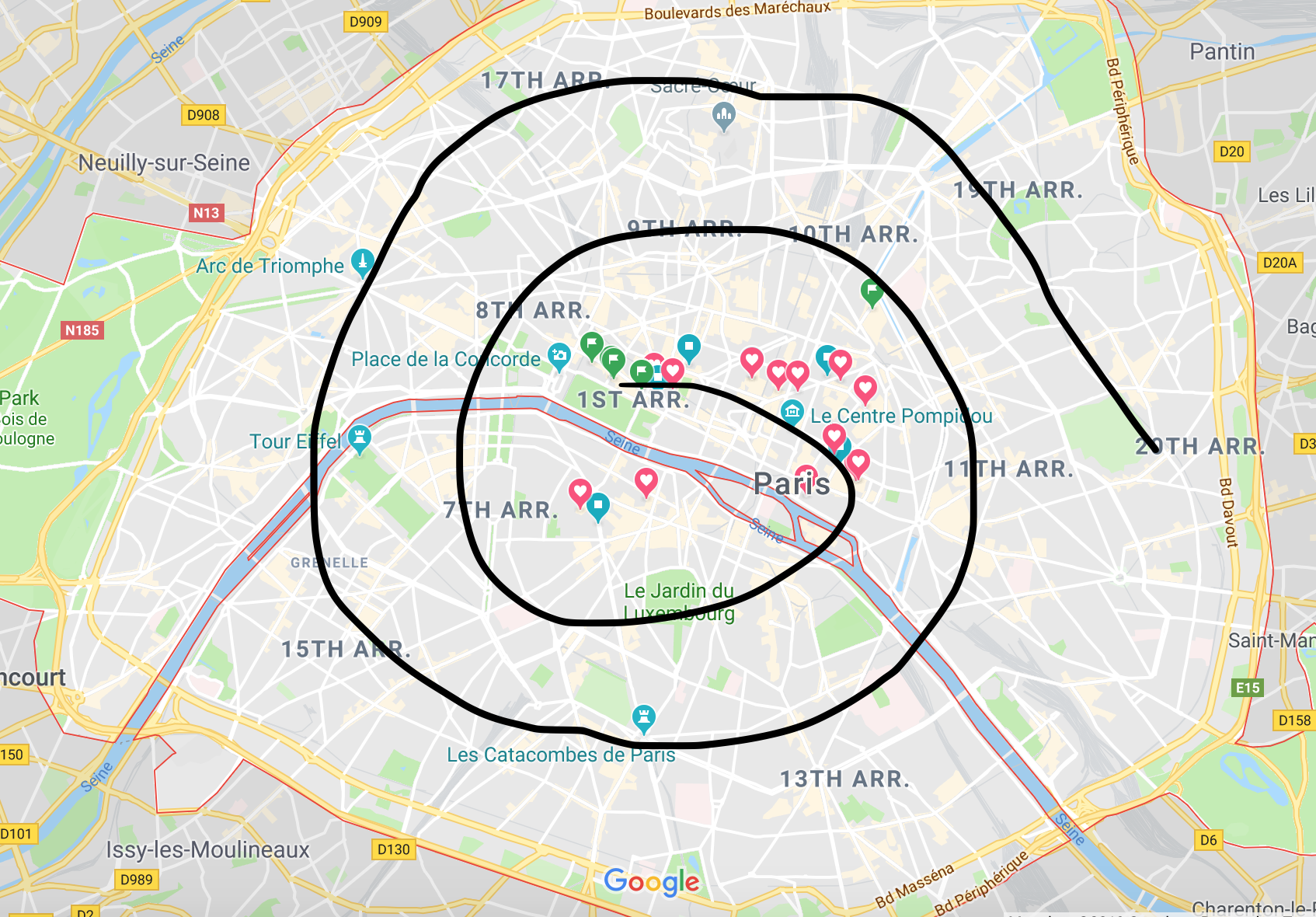
As I’m sure everyone knows (I didn’t), Paris is divided up into 20 arrondissements, or districts. The 1st Arron is in the center of the city, and they coil around clockwise from there like, say, an escargot. We stayed in the 1st and 3rd Arrondissements and loved both neighborhoods. We were in each neighborhood for two weeks, so I consider myself an authority.

Paris = Escargot

1st Arrondissement

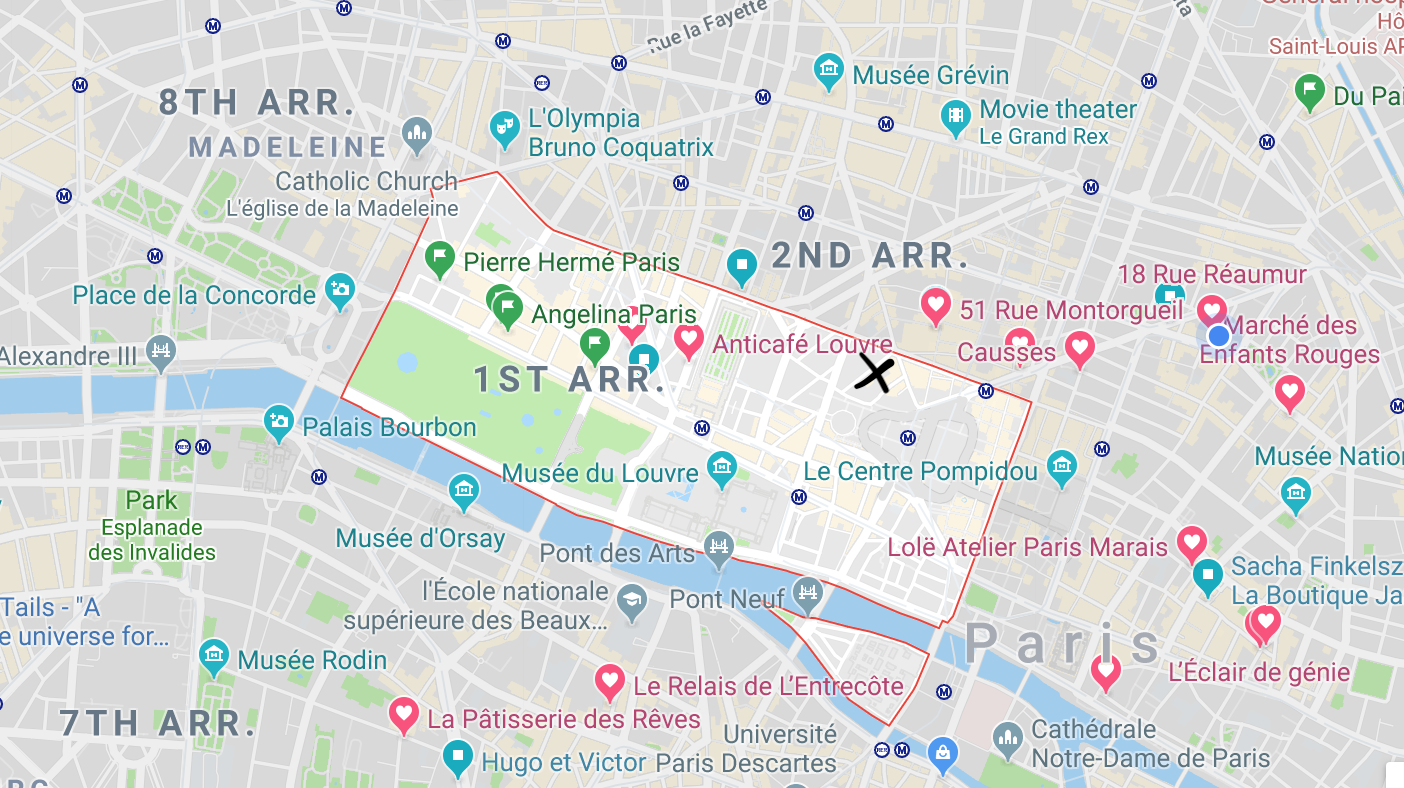
This neighborhood is centrally located and pretty perfect. The Louvre, Tuileries, and Rue Saint-Honore (street with all the fashion houses) are there. It’s really close to the Siene, Notre Dame, Sainte Chapelle, and Pont des Arts (bridge with the love locks, made famous on Real Housewives of Beverly Hills. Might have been famous before that, but I doubt it).

1st Arrondissement. X is where we stayed.

It is a small Arron, close to other nice areas. We initially were concerned it would feel really touristy, but not the case. The part of the neighborhood close to the river is touristy, but as you move north, closer to the 2nd Arron, it feels more like living amongst Parisians. We stayed close to Les Halles (a historic market that is now a mall, transit center, and big park).

Some hood highlights – as mentioned, we loved the Palais Royal.  It’s a nice park, where it’s fun to people watch, read a book, or stare into a fountain for awhile. Everyone walks their dogs and kids here.

One more Palais Royal photo.

We also spent a lot of time on Rue Montorgueil, a nice walking street (not actually a walking street, but the pedestrians make it so), with produce markets, patisseries, cheese and wine shops, and tons of cafes. And of course a Starbucks and McDonalds, but they are at the very end so it hardly counts. We did most of our grocery shopping here. A little less touristy than Rue Cler in the 7th Arron, which is another really nice market street worth checking out near the Eiffel Tower.

Heading towards Rue Montorgueil for some cafe time.
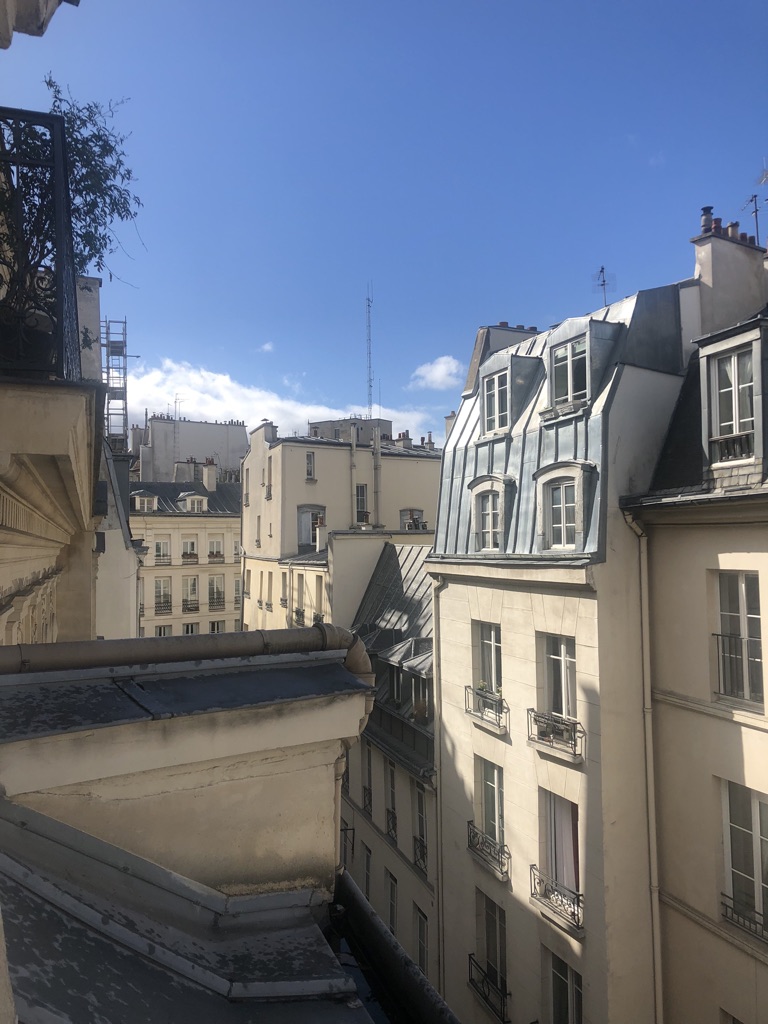
View from our apartment in the 1st Arron.

3rd Arrondissement

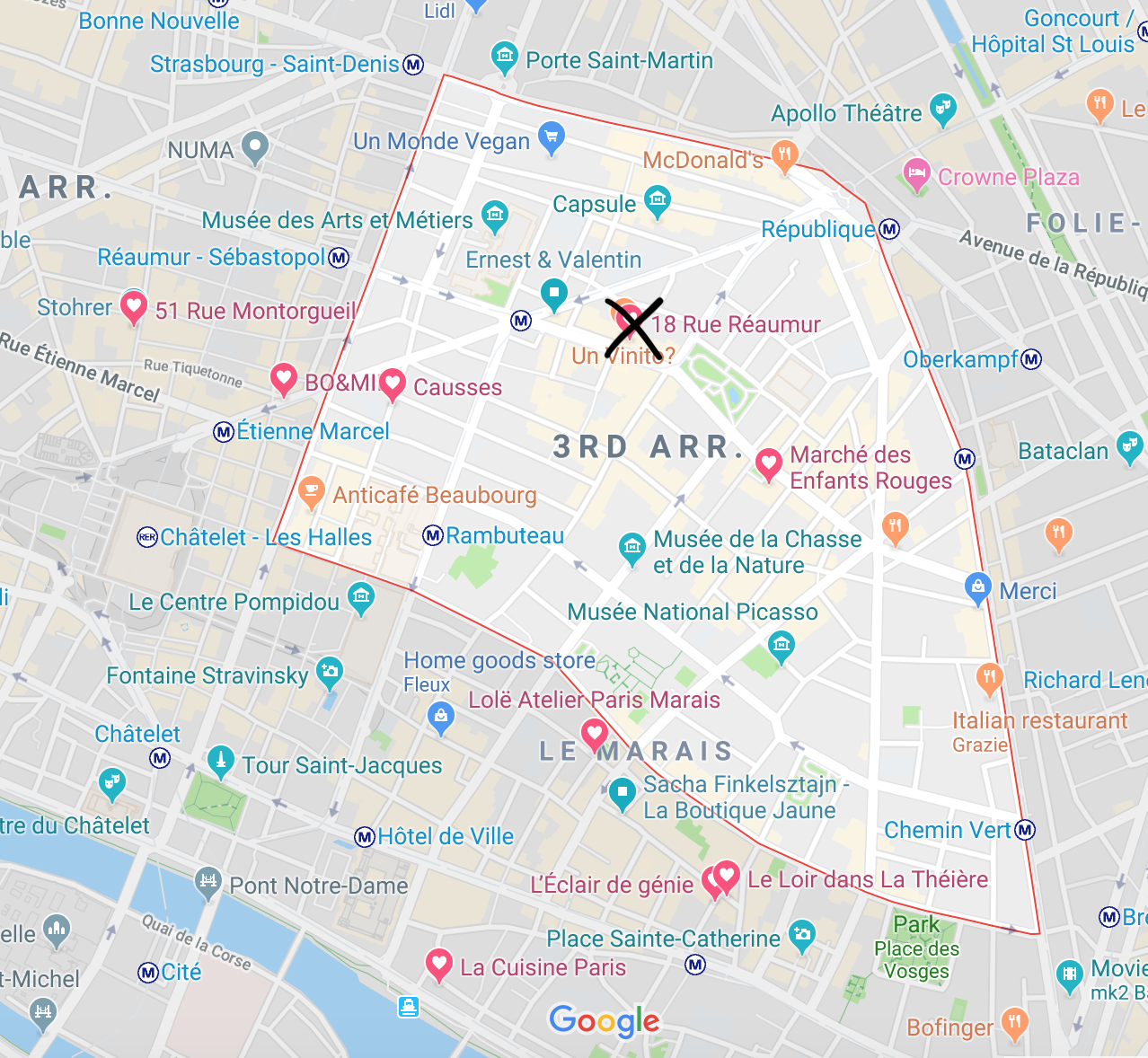
We stayed in the 3rd Arron for our last two weeks in Paris. X on the map was our spot.

Initially, we didn’t love this neighborhood quite as much, but it grew on us. Rue Reamur is a street packed with cafes, a cool market – Marche des Enfants Rouges – lots of patisseries, pharmacies, and groceries. Everything you need. The little park – Square du Temple – Elie Wiesel – is beautiful with gardens, a pond with a waterfall, and some weird looking ducks. No dogs allowed was a bummer (and might have been the reason I initially thought the area stunk.)

Square du Temple – Elie Wiesel. This park is really lovely. Photo doesn’t do it justice.

The area is a little strange because there are wholesale jewelry stores EVERYWHERE. It is bizarre that whole blocks of commercial space are “look but don’t touch,” and annoying that you can’t actually go in them.

But, a few days in I was sold on the 3rd. It is close to the Marais, which is fun for shopping and eating. And it feels like a transition area between the tourists (closer to the river) and the locals (north of the X). If you are in the area, find the Jardin de Anne Frank. It’s a little hidden, and really beautiful.

Won’t throw any neighborhoods under the bus on this widely-read blog, but if you want to run an area by us to stay in, I’m sure we’ll have opinions.

Food Thoughts

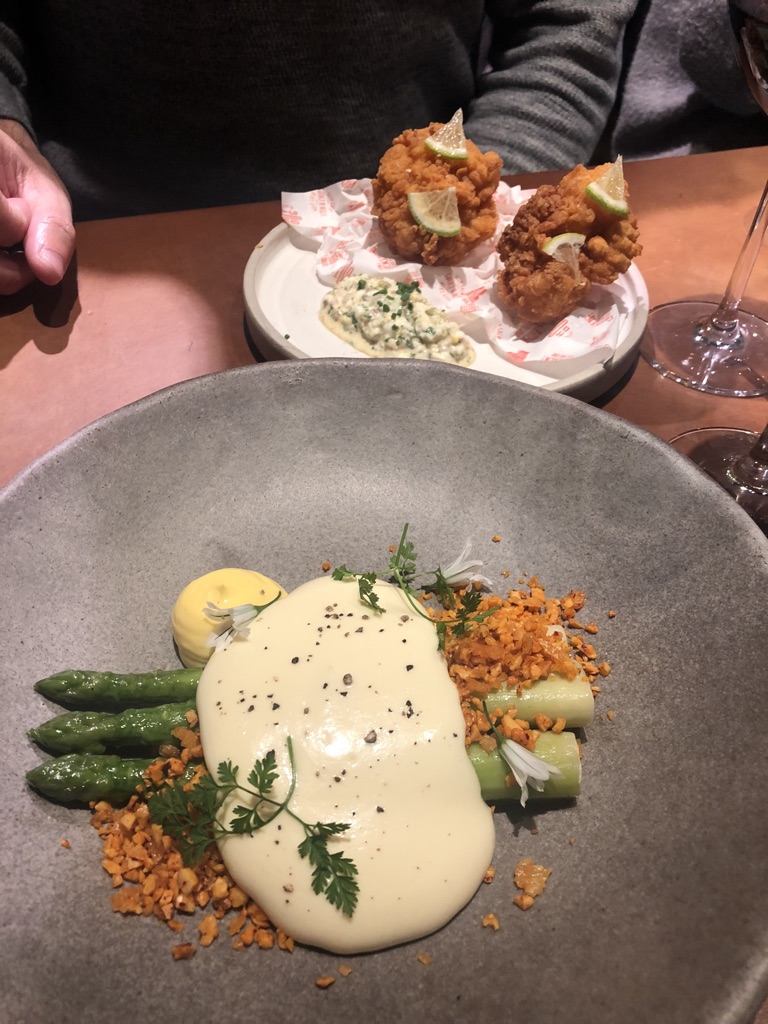
We ate a lot of good food (and pastry), and will recommend a few spots below. My main take away is not to get grumpy trying to find the very best place to eat when you are hungry. You can go to literally any cafe, sit outside and people watch, and it will be awesome. The food might not be quite the best, but it will be really fun. Also, French service is SLOW. So be patient, and get ready for two plus hour meals.

By far, our favorite meal was at Frenchie bar a vins. Frenchie has a fancy Michelin star restaurant across the street, as well as a casual lunch place. We went to the bar and the lunch spot. The bar should not be missed. If I were to compare it to a restaurant in SF, I’d say it’s a combo of Al’s Place and Bar Crenn. Lunch place is good too, but the bar is special. I’m sure the Michelin star restaurant is even better.

Le Comptoir de La Gastronomie is really good traditional french food. Get some snails and foie gras. Might be a good idea to make reservations, or get there on the early side for dinner. You can also just walk in and buy a hunk of foie gras and bread to munch on if you can handle that much duck fat.

Foie gras ravioli in truffle cream sauce, or something similarly rich and ridiculous.

There is a lot of tasty asian food in Paris. We went to Sanukiya twice. It will definitely have a line, but it goes quick. Get the beef udon.

These three places all happen to be in the 1st, 2nd, 3rd Arrons, but, again, there is great food everywhere. We used the app Le Fooding to find good restaurants near us. It’s a curated restaurant guide with short reviews on the good spots, and a map showing you what’s nearby. Google maps, rather than Yelp, has more reliable public food reviews.

Pastry post has all my thoughts on the pastry situation. Oh, and if someone offers you dessert, you say yes!

Closing Thoughts

Take me back! Paris is great.

Best unsolicited advice for a shorter trip – limit the museum visits, and wander without agenda. There are hidden gems everywhere, and it’s really fun to discovery things you weren’t looking for.

And drink a spritz at le cafe! Once a day please. (It doesn’t have to be a spritz, but it should be.)

Choux Pastry Time

Inspired by my excessive pastry consumption, I decided to learn to make some. So, I took a class on choux pastry in Paris. On the agenda for the three hour course? Just a few things – eclair au citron meringué (like a delicious lemon meringue pie), Paris-Brest (hazelnut goodness), choux with craquelin and pastry cream fillings, grougeres, and savory eclairs.

We made the dough first, which is not too difficult. Heat butter, milk, salt, and sugar, boil it, remove from heat, add flour, stir until it forms a ball. Beat in some eggs. Easy (well, we will see how easy it is when I try it without an assist from a professional chef). Then you pipe the dough into whichever shapes you want. Very fun! Same dough is used for all the goodies.

Before baking, we made craquelin to top the grougeres and eclairs. Craquelin is a “dough” that is put on top of choux, giving it a nice crunchy texture, and also helps the choux maintain a round shape when it bakes. We made a sweet craquelin (just butter, sugar, flour), and a savory one with hot pepper in it. Tasty. Then we put it all in the oven.

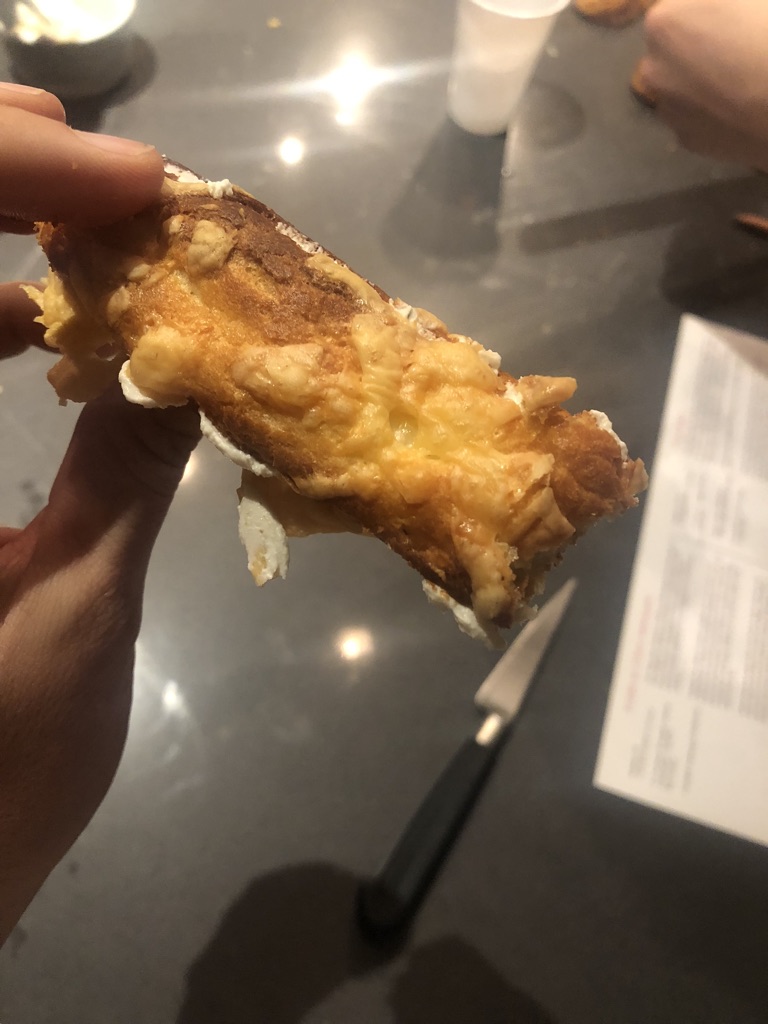
The savory treats were done first and we took a short break to fill them with Bousin cheese and eat all of them. I hadn’t had Boursin cheese for a long time, and that was a mistake because it is really delicious.

For the sweet choux, we made three flavors of pastry cream – lemon, vanilla, and praline (hazelnut). We also made chocolate diplomat cream for the cream puffs, and Italian meringue to top the eclairs. Piping all the pastry cream and meringue was fun. Especially fun was blow torching the meringue.

Below are the finished sweets. Clockwise from the top: Paris-Brest, cream puffs (you can easily see the texture of the craquelin on top), chouquette, lemon meringue eclair, chocolate meringue eclair.

The class was at La Cuisine Paris, which I highly recommend. I took a croissant class here last time we were in Paris and loved it. The two instructors I had are professional pastry chefs who have worked for famous pastry chefs, like Pierre Herme. La Cuisine also does food tours. Haven’t been on one, but betting they are fun.

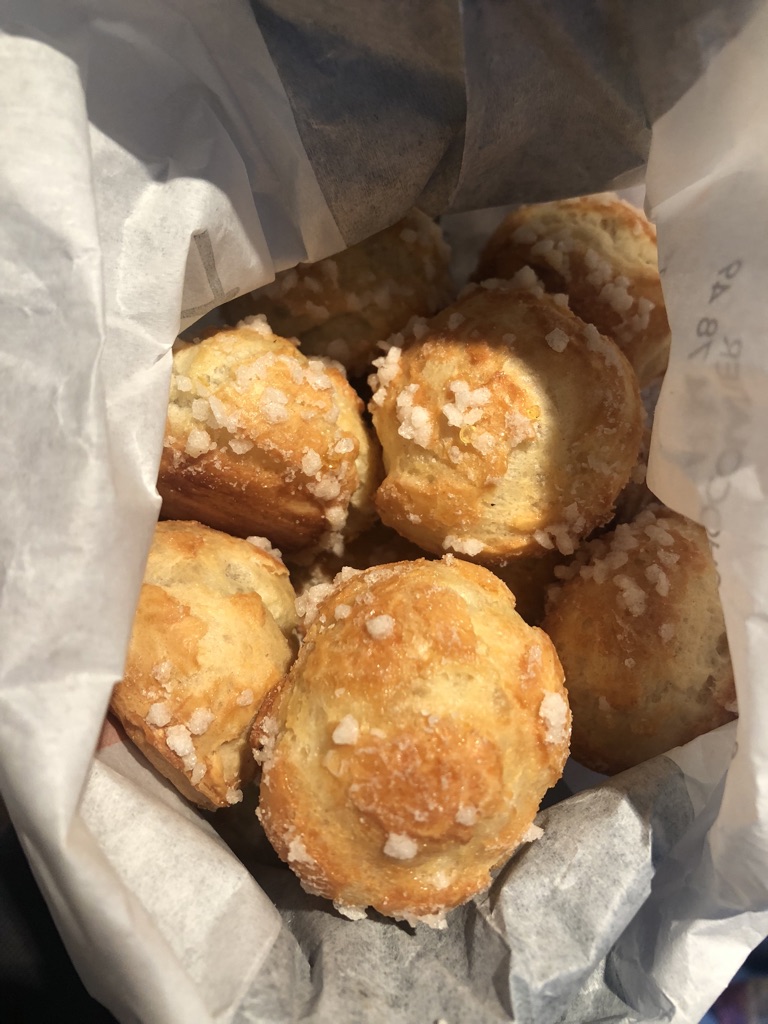
After class I was, of course, excited to keep eating choux. I wanted more chouquettes, because I hadn’t tried any in the wild yet and they are covered in delicious pearl sugar. Pearl sugar has a nice crunchy texture, and its pretty rare to see it in the U.S for some incomprehensible reason. Pro tip – when you order chouquettes, you order by grams. Just say you want 100 grams.


And a Religieuse! These little nuns are so cute, and filled with mocha! Or chocolate. This one’s mocha.

At last, this is my final French pastry post. Unless we go back to France. Then I’ll write more. Promise.

Fleurs in Paris . . . in March

As all five of our followers know, I love flowers and just plants in general. Happily, so do the Parisians. At first, from a plant perspective, I was a little bummed to arrive in the winter (but the patisserie scene is thankfully not negatively impacted by the seasons, so I was okay).

In early March, there was no green in sight — lot of brown. The trees and shrubs were nowhere close to leafing-out. But looking back, it was actually really fun to be there for four weeks and watch the trees slowly start to bud, and the tulips pop up. So, this post is all about what I saw on the Paris plant scene in March.

Mimosa Shout Out

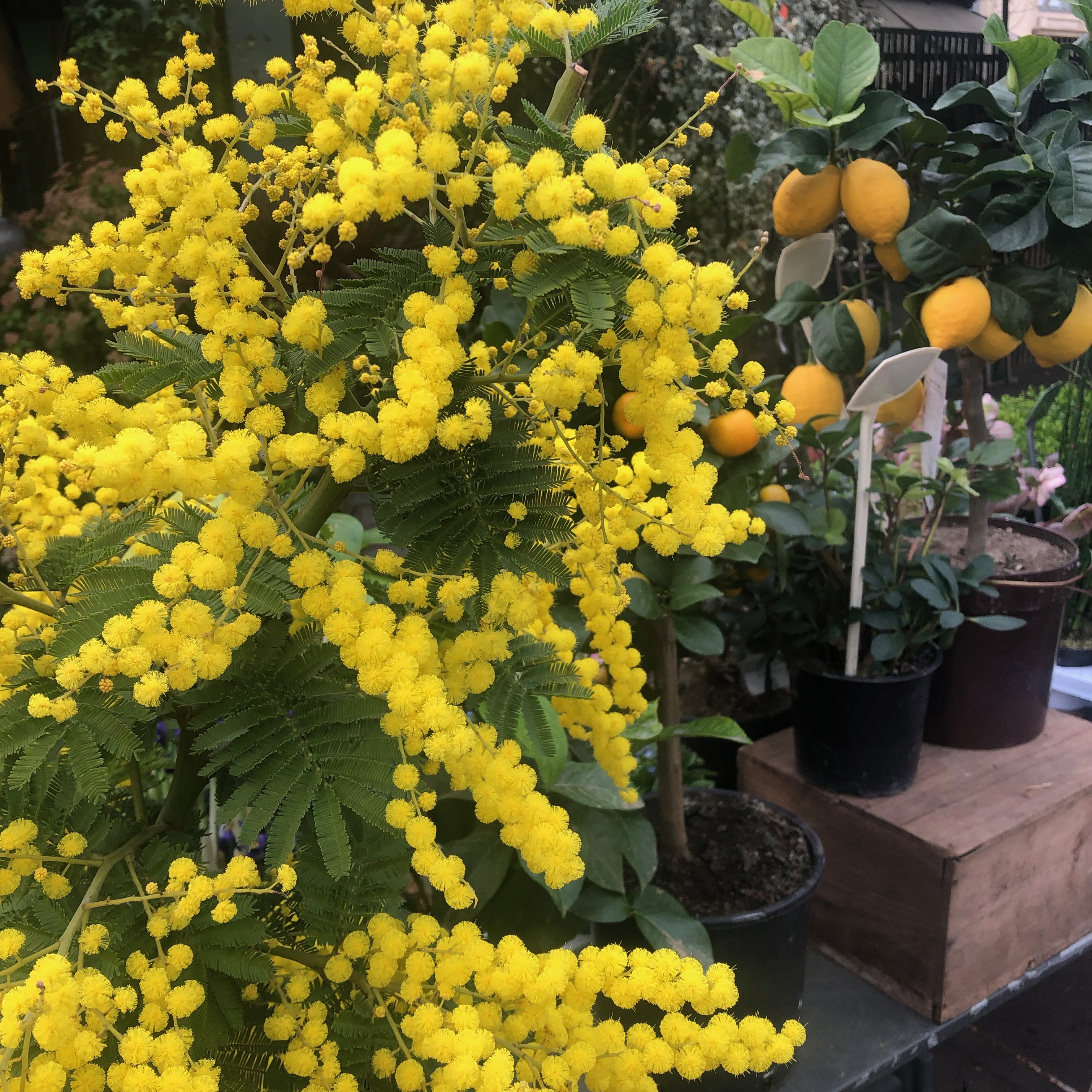
March in Paris is gray and cold. The Parisians have a solution though, and it is the mimosa (Acacia dealbata)! Bunches of this bright yellow beauty were in all the florist shops. There are close to as many florist shops as patisseries in Paris, so you’ll see happy yellow bunches everywhere you look.

Here is some mimosa being sold as a plant, but the bouquets of this stuff were really fun.

Flower Markets and Shops

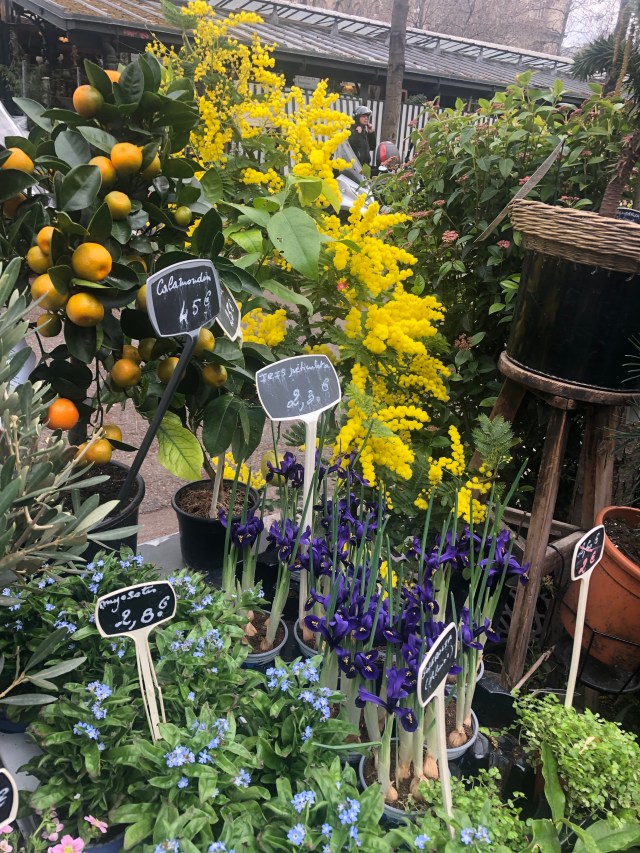
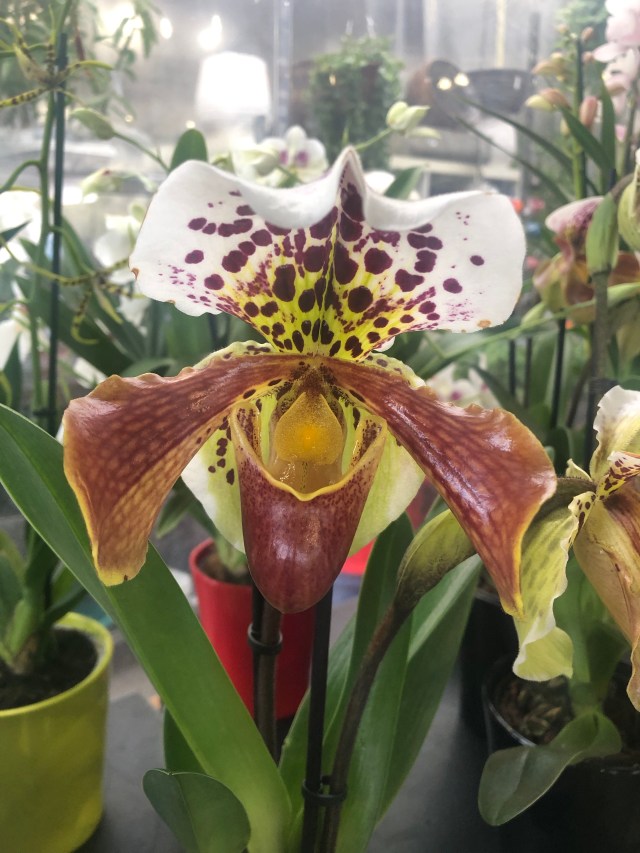
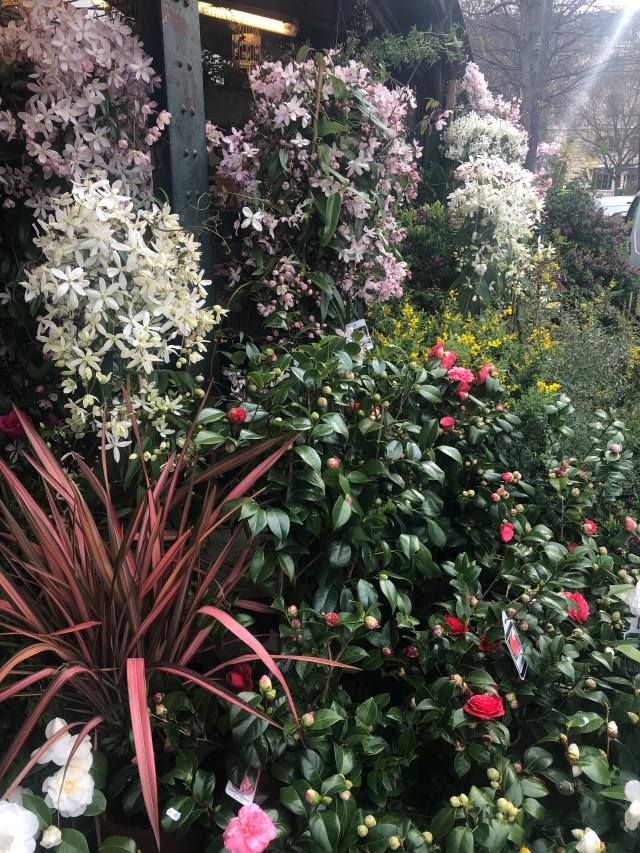
There are flower markets and flower shops all over Paris. My favorite market so far is the Marche aux Fleurs. It’s on the Ile de la Cite, and is between Notre-Dame Cathedral and Sainte-Chapelle Chapel, so the location is pretty neat. Even if you aren’t into plants, I’d check it out on your way to or from Notre-Dame/Sainte-Chapelle. The market is basically two long covered structures, with shops inside and out. It’s open everyday. Here’s an idea of what was in stock in early March – lots of citrus trees, iris, clematis, camellias, azaleas, tons or orchids.

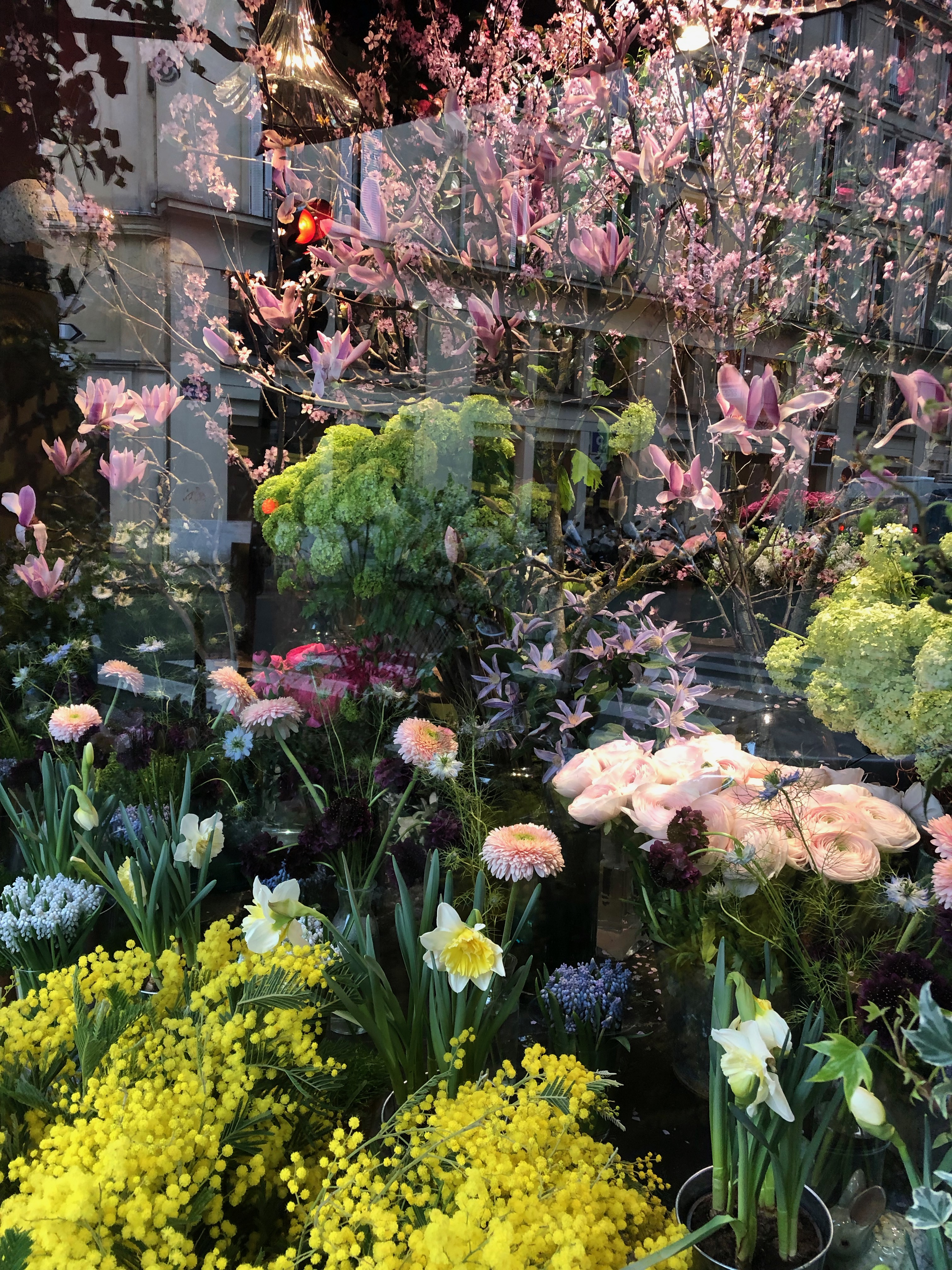
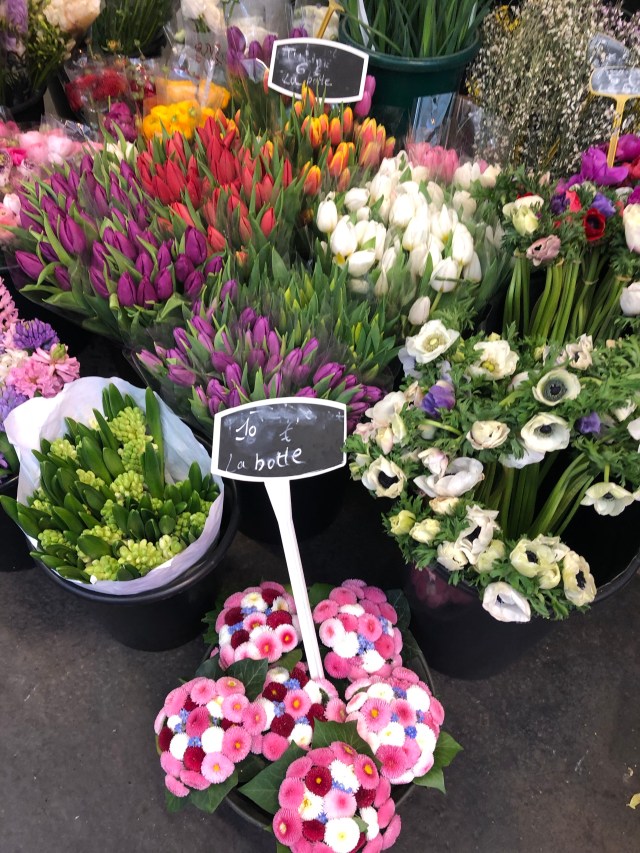
And here are a few shots from flower shops.

I know the reflection stinks, but ignore it and look at all the cool stuff. Mimosas at the bottom. Tons of ranunculus and magnolia.
Pretty little poseys sold everywhere.

Favorite Gardens

Palais-Royal

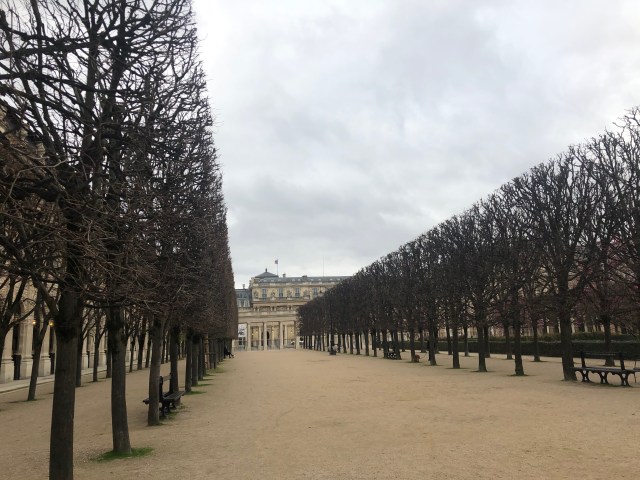
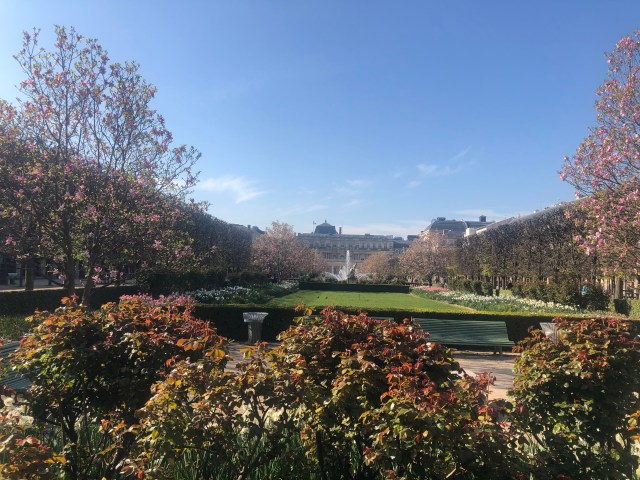
Palais-Royal was one of our favorite spots in Paris. We came here everyday to walk Alice. On the weekends the garden fills up with locals playing sports or chatting under the trees, and reading by the fountain. When we first arrived in Paris the garden looked bleak . . . the fountain in the middle was empty, trees were bare. But there were some pretty hyacinths and cyclamen still blooming in the beds, and the magnolias framing the planted beds were blooming. The design of the garden is pretty, with rows of trees forming arcades along the outside and the fountain and flower beds in the center, so I had a feeling there was potential.

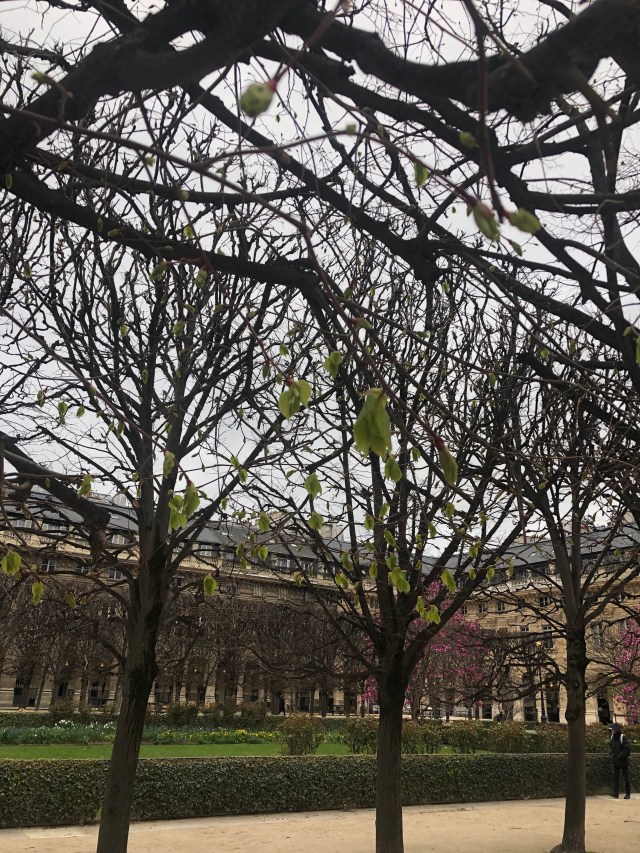
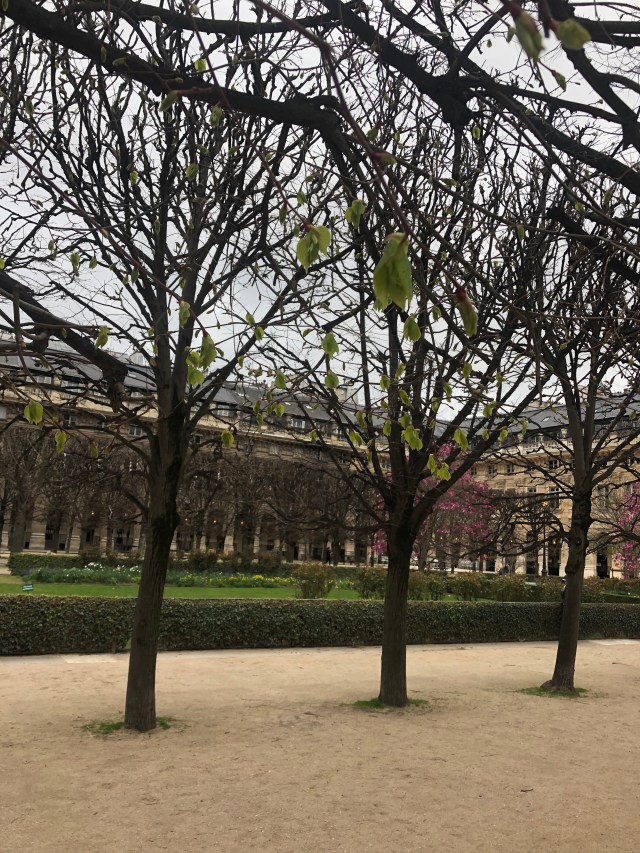
Apparently these are lime trees.

Then, slowly slowly this garden started to change. I became obsessive about tracking the trees leafing-out, which was super fun for Dan! Trust that I have daily photos of these trees. Here are a few shots from the end March, when things are really starting to happen.

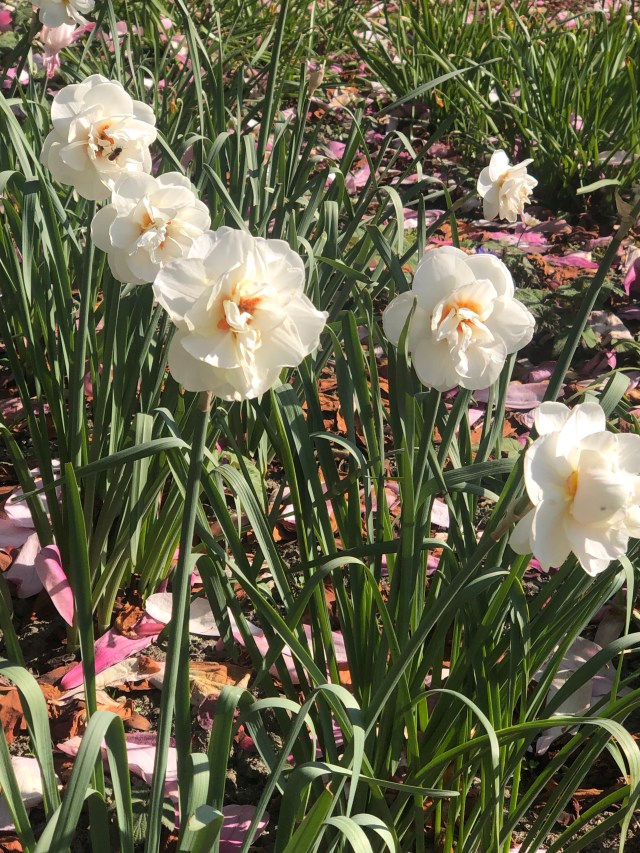
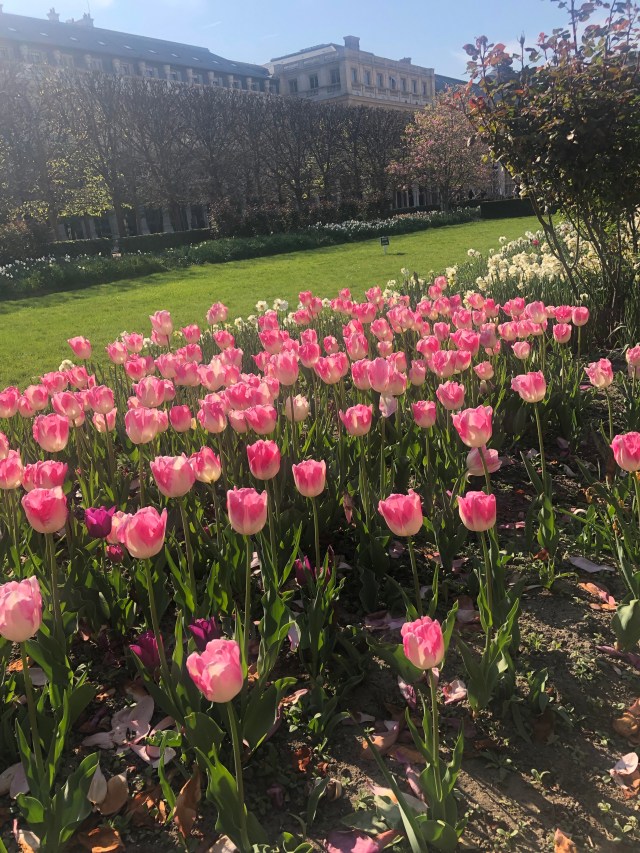
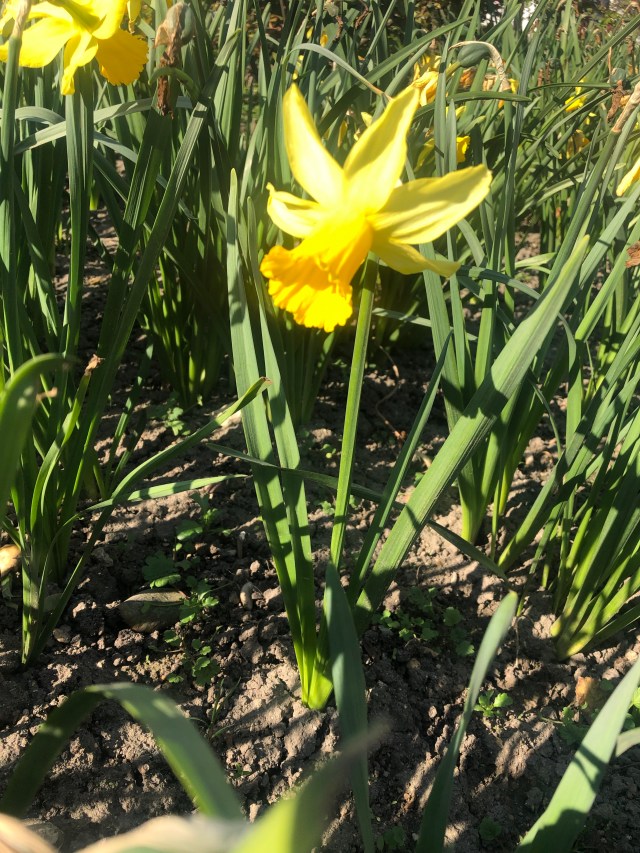
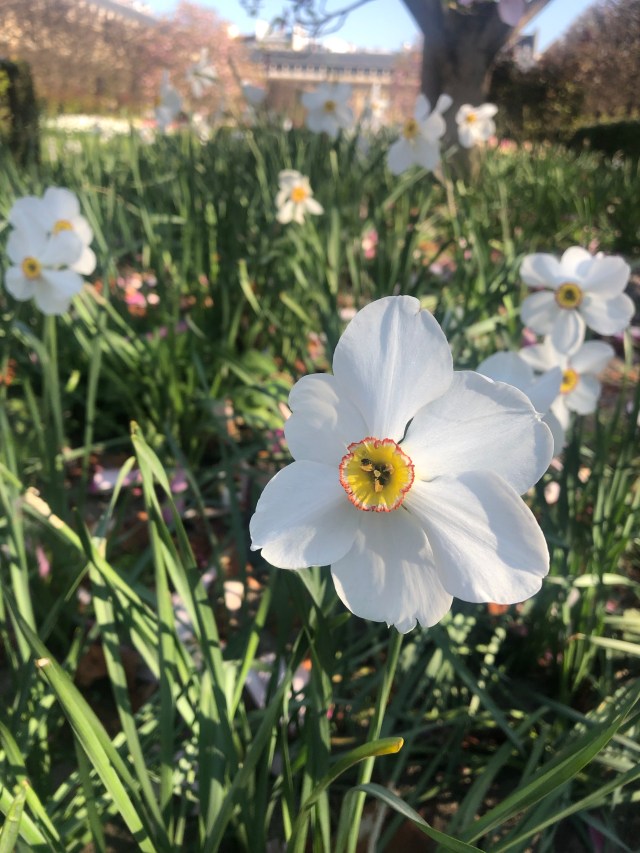
And more exciting for everyone else (maybe), here are some of the flowers that were blooming in the beds around the same time. I got excited because they had at least four different kinds of daffodils, and a bunch of different tulips.

The Palais Royal, as you may have guessed, was a royal palace in the mid-1600s. Wikipedia really tells it best.

Big picture. This place is the best. Sad we won’t see it at the height of its beauty in the summer months.

Jardin Tuileries

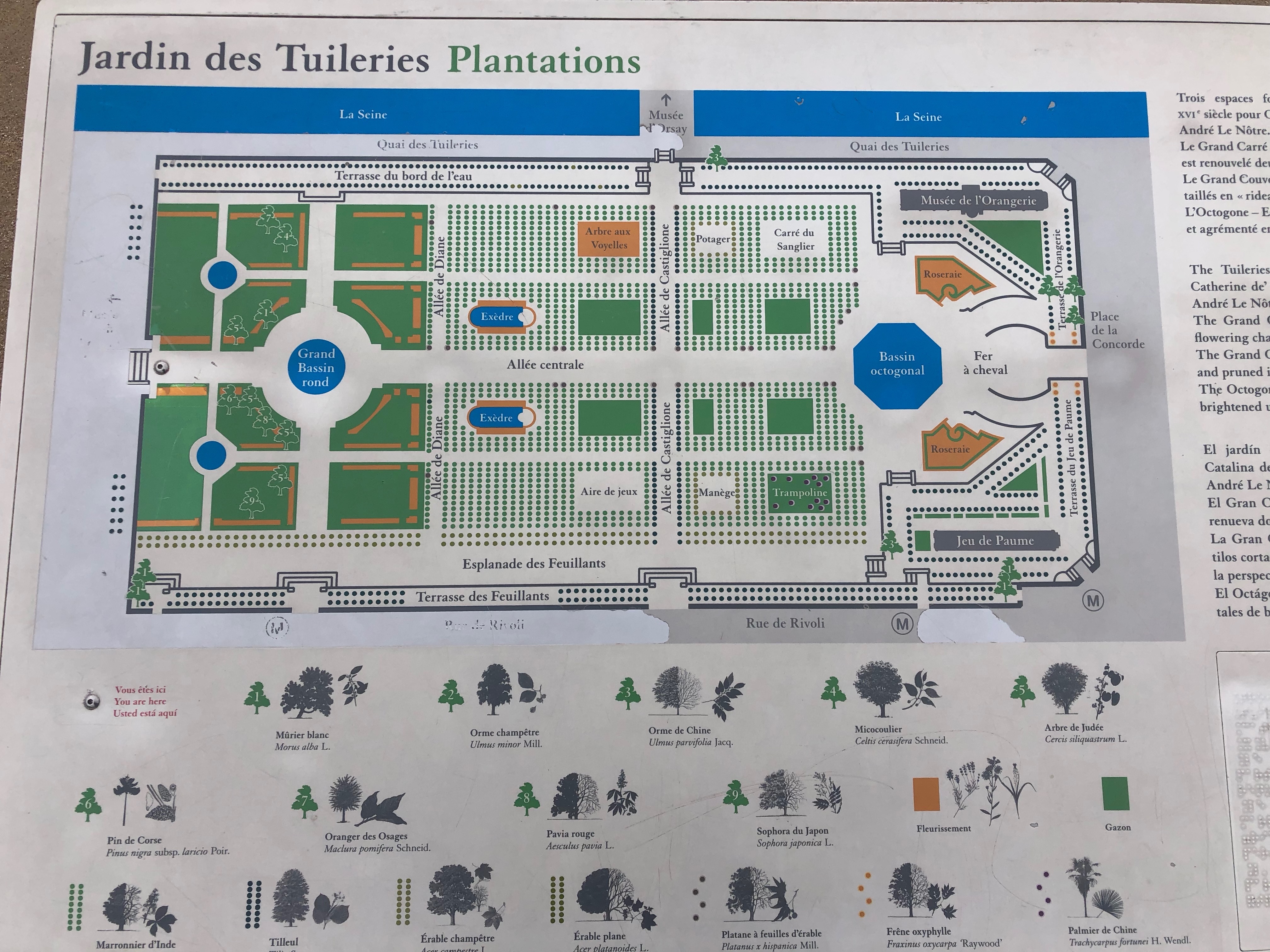
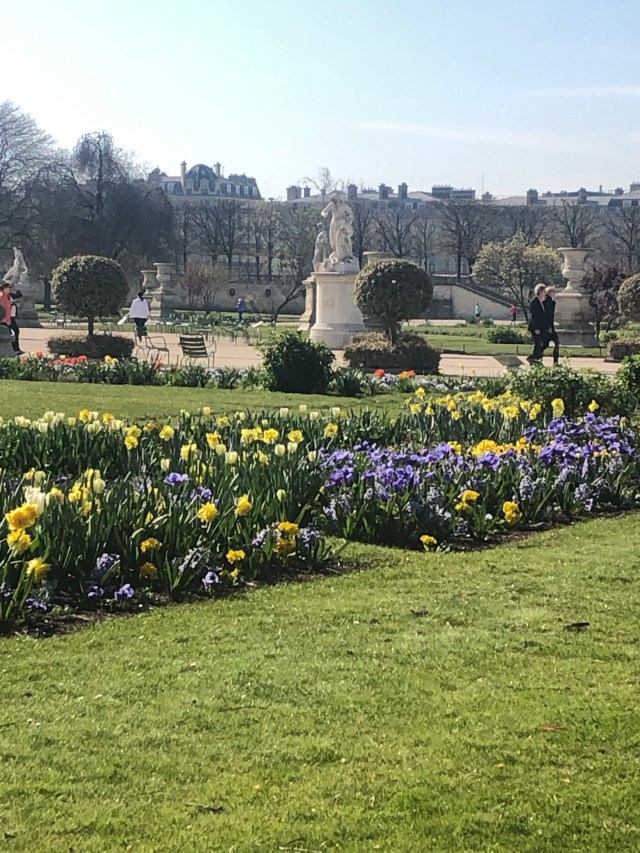
This place is also the best. So nice to stroll around, do some running laps that are not on concrete, and look at all the plants! They also give you a list of all the tree plantings, which is super cool.

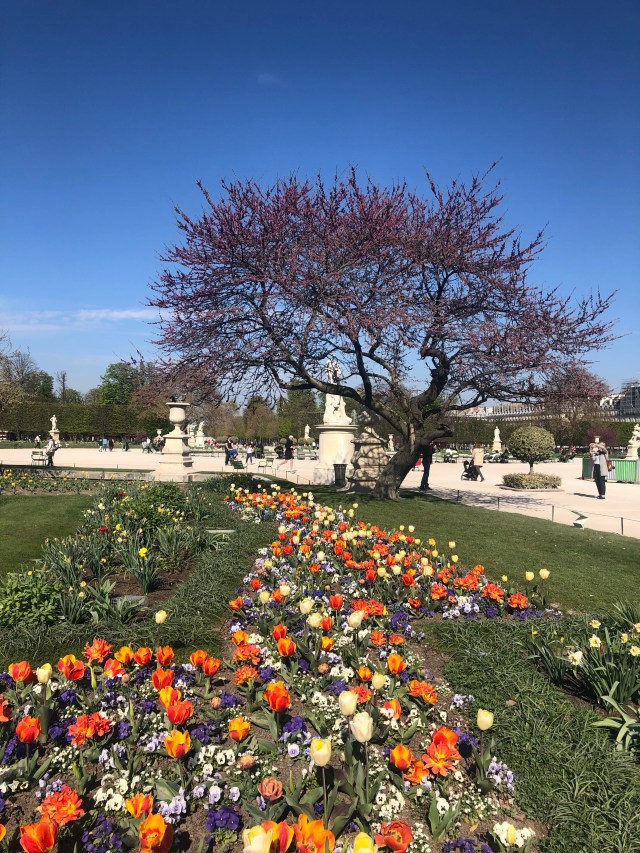
Here is some of the pretty stuff blooming by the end of March.

The two gardens are close to each other too! Bonus.

Honorable Mentions

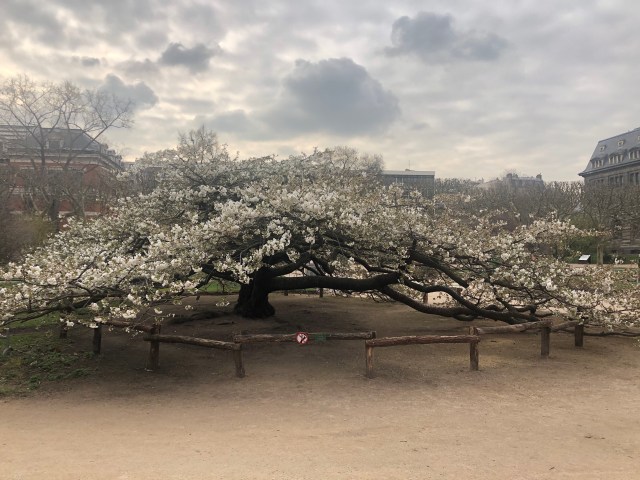
The botanical garden, Jardin des Plants, in the 5th Arron. might be worth a visit. It has a zoo with wallabies! I have no idea what else is at the zoo, you can just see the wallabies without actually entering the zoo and they are cute. There is a cool greenhouse with jungly plants to check out, and some museums. Plus, there is this really cool cherry tree that must be 100 years old.

Jardin du Luxembourg is also really nice, I just didn’t get there on this trip.

Escargot Chocolat Pistache – C’est Magnifique!

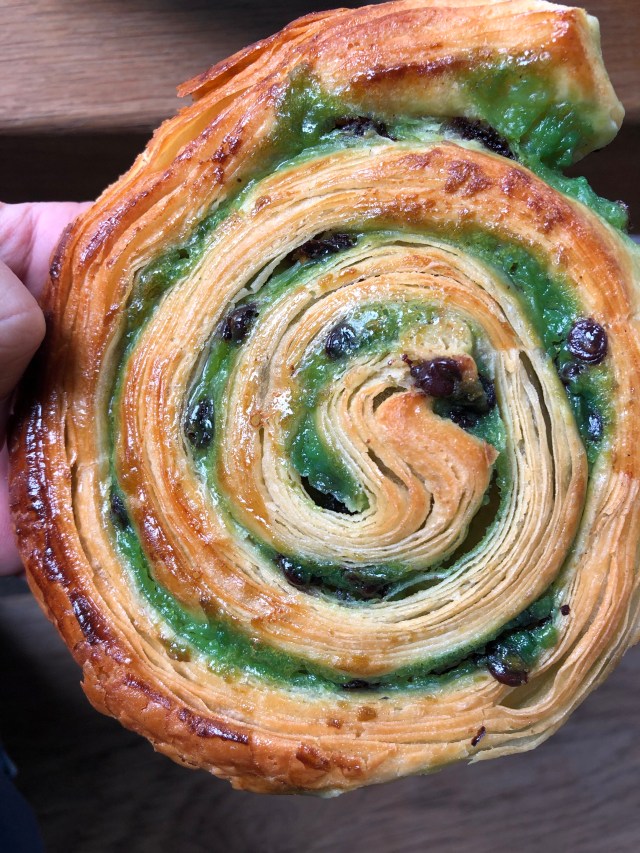
Okay, back in blog action after a really wonderful week skiing in Chamonix. Apologies to all five of our loyal followers for the delay getting you this post on the most delicious viennoiserie according to moi — the chocolate pistachio escargot! Here’s a close up of the flaky, pastry-creamy goodness.

Du Pain des Idees version. Get this.

It does not have snails in it. Just shaped like one of the cute little guys. It’s a perfect combo of croissant dough, pistachio flavored pastry cream, and mini chocolate chips. If you like pistachio ice cream/gelato, you’ll love it. If not . . . I guess just feel sadness. It’s sort of like a pain aux raisin, except it’s good because there are no raisins.

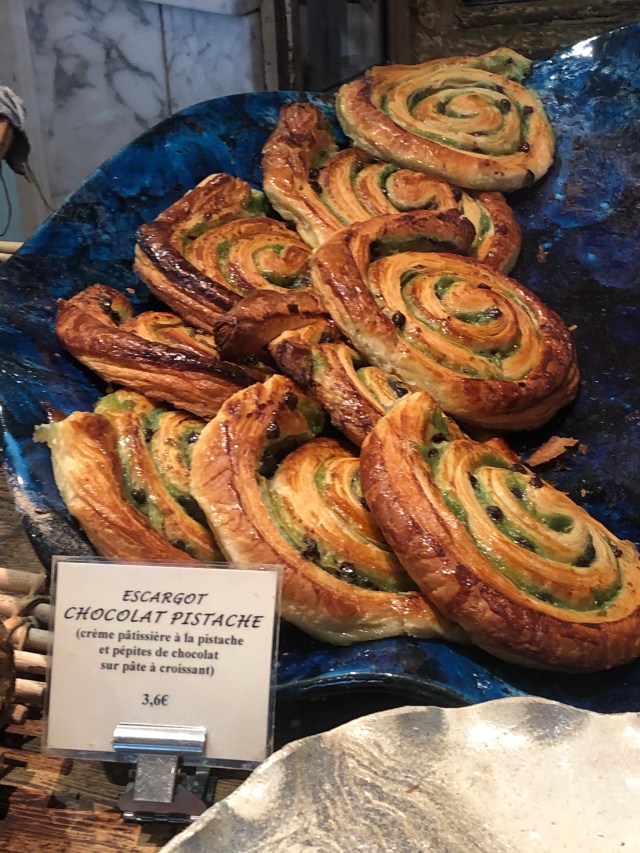
I read somewhere that the best ones in Paris come from Du Pain et des Idees. I didn’t try every ECP in Paris, but Du Pain et des Idees’ are legit.

Du Pain et des Idees location – it’s in the 10th Arron.
All of em.

Du Pain et des Idees also has seasonal fruit escargots that I didn’t see anywhere else in the city and they looked really tasty. Try one for me!

Below is one that was not so good (it was fine, I ate the entire thing). If you cannot make it to Du Pain, try to get one that looks more like the Du Pain version, less like this one.

This escargot is mediocre, at best.

Au revoir for now. I’m almost done with french pastry blog posts. Almost.